Conditions That Can Benefit from Adhesive Wearable Health Monitoring Devices

A man discusses his health with a doctor.

In the fast-paced realm of innovation, a new trend is emerging that promises to redefine the way we interact with wearable health monitoring devices: adhesive technology. Gone are the days of bulky gadgets strapped to our wrists or clipped onto our clothes; adhesive wearables are discreet, flexible, and effortlessly blend into our everyday lives. Let’s dive into the fascinating world of adhesive wearables and explore how they’re revolutionizing industries in ways we never imagined.

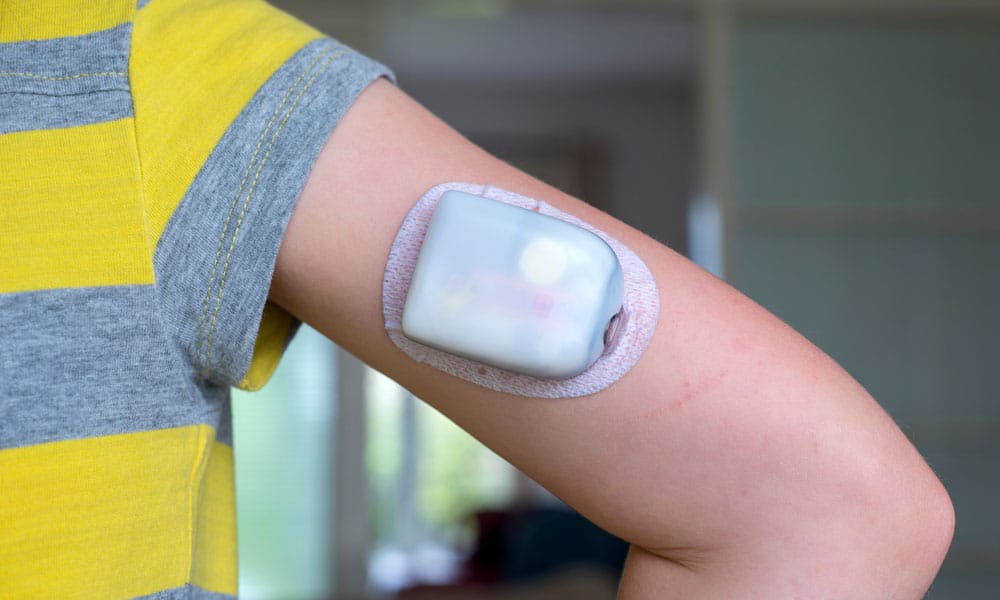
At the heart of adhesive wearables lies a simple yet ingenious concept: technology that sticks. These devices are equipped with sensors, microchips, and other electronic components, all nestled within a thin, flexible substrate that adheres directly to the skin. This design not only ensures a snug and comfortable fit but also allows for continuous monitoring and data collection without the need for cumbersome accessories.

Healthcare is perhaps the most promising frontier for wearables that stay with tape. Imagine a future where patients no longer need to be tethered to bulky monitoring equipment during their hospital stay. With adhesive wearables, medical professionals can remotely monitor vital signs, track medication adherence, and even detect early signs of deterioration in real-time, all while patients go about their daily activities unhindered.

How Different Conditions Use Wearable Devices for Monitoring Health

Wearable health monitoring devices have the potential to benefit individuals living with various diseases and conditions by providing continuous, real-time data monitoring and analysis. Here are some examples of diseases and conditions that can benefit from wearable health monitoring devices:

  1. Diabetes: Wearable devices equipped with glucose sensors can monitor blood sugar levels continuously, allowing diabetic individuals to manage their condition more effectively. These devices can provide alerts for high or low blood sugar levels, helping users take timely action to prevent complications.
  2. Heart Disease:ย Wearable devices can monitor heart rate, rhythm, and activity levels, providing valuable insights into cardiovascular health. For individuals with heart disease or at risk of heart conditions, continuous monitoring can help detect irregularities early and facilitate timely intervention.
  3. Hypertension (High Blood Pressure):ย Wearable blood pressure monitors can track blood pressure levels throughout the day, providing a more comprehensive picture of cardiovascular health. This continuous monitoring can help individuals and healthcare providers identify trends, optimize treatment plans, and make lifestyle modifications as needed.
  4. Sleep Disorders:ย Wearable devices equipped with sleep tracking capabilities can monitor sleep patterns, duration, and quality. For individuals with sleep disorders such as insomnia or sleep apnea, these devices can provide insights into sleep disturbances, facilitating diagnosis and treatment optimization.
  5. Chronic Respiratory Conditions:ย Wearable devices can monitor respiratory rate, lung function, and oxygen saturation levels, providing valuable data for individuals with chronic respiratory conditions such as asthma, chronic obstructive pulmonary disease (COPD), or cystic fibrosis. Continuous monitoring can help detect exacerbations early and guide treatment decisions.
  6. Epilepsy:ย Wearable devices equipped with motion sensors can detect seizure-like movements and alert caregivers or emergency contacts in real-time. These devices can provide peace of mind for individuals with epilepsy and their loved ones, enabling prompt assistance during seizure events.
  7. Chronic Pain Management:ย Wearable devices can track activity levels, movement patterns, and physiological signals associated with pain, providing insights into pain severity and triggers. For individuals living with chronic pain conditions such as fibromyalgia or arthritis, these devices can facilitate self-management strategies and optimize pain management interventions.
  8. Mental Health Conditions:ย Wearable devices can monitor physiological indicators of stress, anxiety, and mood fluctuations, providing individuals and healthcare providers with insights into mental health status. Continuous monitoring can help identify patterns, triggers, and early signs of mental health relapse, enabling timely interventions and support.
  9. Parkinson’s Disease:ย Wearable devices can monitor movement patterns, tremors, and gait abnormalities associated with Parkinson’s disease, providing valuable data for disease management and treatment optimization. These devices can assist healthcare providers in monitoring disease progression and adjusting medication regimens accordingly.
  10. Stroke Rehabilitation:ย Wearable devices can track movement, activity levels, and rehabilitation progress following a stroke, providing objective data for therapy planning and monitoring. These devices can help individuals and healthcare providers track recovery milestones, optimize rehabilitation programs, and facilitate long-term recovery.

Overall, wearable health monitoring devices have the potential to revolutionize disease management and healthcare delivery by providing continuous, personalized monitoring and support for individuals living with various diseases and conditions. As technology continues to advance, these devices hold promise for improving outcomes, enhancing quality of life, and empowering individuals to take an active role in their health and well-being.

Get a Custom Solution Created for Your Business

At The Tape Lab, weโ€™re not just creating wearable device adhesives; weโ€™re crafting partnerships to bring your custom innovations to life. We design, manufacture, and transform adhesives into personalized solutions.

Already have an idea of what you need? Want to pick the brain of an expert? Contact The Tape Lab and letโ€™s combine your vision with our knowledge and industry-leading capabilities to create a custom adhesive solution.

The Future of Wearable Technology: Data Collection in Real-Time

real time data processing

Amidst the overwhelming array of technological marvels at CES Vegas 2024, the globe’s foremost technology trade exhibition, one overarching theme resonated: Artificial Intelligence (AI) has firmly embedded itself into the very fabric of our lives. It is often referred to as “smart” technology, and it was โ€œEverywhere, All the Time, All at Onceโ€. CES 2024 was a great opportunity for The Tape Lab to delve into the realms of innovation, fostering connections with our valued clients and collaborators, and engage in new discussions with industry leaders.

From AI-powered grills, to body cameras with AI-driven decision-making capabilities, and even cat doors equipped with AI recognition systems, the sheer breadth of AI applications astounded us. The convergence of AI with health and well-being was equally prominent, with innovations ranging from glucose predictions to vital sign monitoring. Among the myriad AI innovations, wearables stood out as beacons of hope for those who aspire to take greater control of their health and well-being.

Wearable Technology for AI and Real-time Data Processing

At its core, AI is a catalyst for rapid data processing, making information more accessible and readily distributable. The pivotal aspect of this technological revolution is the seamless transmission of data.ย 

At The Tape Lab, we view the world through a unique lensโ€”a sticky lens, if you will. Our focus lies in the realm of adhesive solutions that underpin the future of wearable technology and wearables data collection.ย 

How to Get Data from Wearables for Health Insights

Wearable devices are now adept at effortlessly capturing vital data and measurements and relaying them to centralized systems for real-time data analytics. This paradigm shift empowers individuals to become proactive health managers, realize the benefits of wearable technology, and leverage data-driven insights to make informed decisions about our own well-being.

โ€œI have been saying this for a while to anyone who wanted to listen to me – in the future we will not be having primary care physicians. Self monitoring will give us the daily tools to better understand our bodies and the indicators to know when we are not well. In this evolving landscape, traditional in-person doctor visits and hospital stays are giving way to a new era. Smart wearables are entrusted with the role of monitoring physiological indicators, collecting vital data, and transmitting it directly to healthcare professionals. This signifies a monumental shift: our wearables are no longer just medical tools; they are our virtual healthcare providers.โ€

Jason Zajac, The Tape Lab CEO

This realization has profound implications for adhesive solutions, particularly those designed for wearables that adhere directly to the skin. For example, it would be critical and commonplace to base decisions on data analytics for wearable sensors that measure vitals.ย  The Tape Lab recognizes this critical need and stands ready to provide secure, efficient, and comfortable stick-to-skin solutions.

The Urgency to Normalize Wearable Health Technology

Our CES journey allowed us to engage with a diverse array of clientsโ€”some long-standing partners and others eager to embark on their own wearable technology ventures. These visionaries are crafting groundbreaking innovations, including whole-body athletic trackers, heart monitors, vitals monitoring devices, weight loss wearables, smart incontinence readers, baby monitors, fetal heartbeat monitors, glucose readers, infrared wearables, and sleep monitoring solutions.

“In the age of wearables, where AI is empowering individuals to take control of their health, tape plays a pivotal role as the unsung hero. It’s the adhesive that bridges the gap between data and action, making wearables not just a convenience but a revolution in healthcare management. At The Tape Lab, we’re committed to providing innovative adhesive solutions that enable these incredible devices to stick to skin, paving the way for a future where individuals actively manage their health with ease.”

Jason Zajac, President/CEO, The Tape Lab.

For those in search of a partner to shepherd their medical device from conception to fruition, your quest concludes here. The Tape Lab offers unwavering support, from ideation to navigating the intricacies of the FDA 510(k) process, all the way through fulfillment and shipping. We extend our expertise to startups and engineers, enabling them to bring their visionary devices to life.

In essence, AI is reshaping health management, entrusting individuals with greater control over their well-being. Tape, often the unsung hero, serves as the vital linchpin for many of these transformative wearable products. As we bear witness to the confluence of AI and adhesive technology, the future of healthcare is becoming more personal, precise, and empowering.

The Tape Lab is Building the Future of Wearable Technology

The Tape Lab takes pride in leading this adhesive revolution, supporting the healthcare pioneers of today and tomorrow. Should you share our vision or require a partner in the realm of sticky innovation, please do not hesitate to reach out. Together, we shall shape the future.

The Tape Lab’s Custom Mouth Tape Manufacturing Solutions

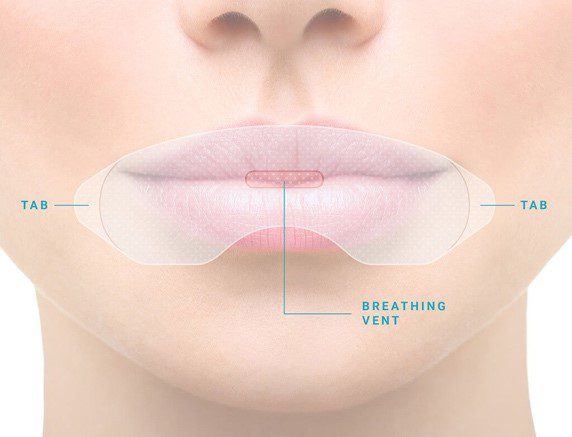
Close-up of a woman wearing a transparent lip patch.

Welcome to The Tape Lab blog, where we bring you the latest advancements in adhesive technology. In this article, we introduce our high-quality, cost-effective mouth tape manufacturing solutions designed to meet a range of needs. Whether you’re developing a product that improves sleep, stops snoring, maximizes oxygen during workouts, enhances dental procedures, or a women-specific mouth tape, The Tape Lab has you covered. Join us as we explore the diverse applications of mouth tape and the exceptional manufacturing capabilities we offer.

Partnering with Industry Leaders: At The Tape Lab, we collaborate with industry leaders such as 3M Medical, Avery Medical, Dermamed, Polymer Science, and Berry Plastics. These partnerships allow us to provide top-of-the-line adhesives for mouth tape that are both flexible and breathable. Our commitment to excellence in adhesive technology ensures that our mouth tape solutions meet the most stringent standards in various applications.

Sleep Improvement and Snoring Reduction: Mouth tape is increasingly recognized as an effective tool for improving sleep quality and reducing snoring. By gently sealing the mouth during sleep, mouth tape encourages nasal breathing, reducing the likelihood of airway blockage and enhancing oxygen intake. Whether used in a clinical setting or by consumers, our skin-friendly medical adhesive materials provide a comfortable and reliable solution for better sleep and reduced snoring.

Maximize Oxygen Intake During Workouts: Athletes and fitness enthusiasts can benefit from mouth tape during intense workouts. By maintaining nasal breathing and preventing mouth breathing, mouth tape helps optimize oxygen intake, enhancing endurance and performance. Our breathable and flexible adhesive materials ensure comfort and reliability, allowing athletes to focus on their training goals.

Enhancing Dental Procedures: Dentists and orthodontists can utilize mouth tape during various dental procedures. It helps keep the mouth area dry and isolated, improving visibility and control during treatments. The Tape Lab’s mouth tape solutions ensure easy application, secure adhesion, and clean removal, enhancing the efficiency and success of dental procedures.

Expertise in Mouth Tape Manufacturing: At The Tape Lab, we possess extensive expertise in mouth tape manufacturing. Our cutting-edge die-cutting technologies enable precise and tight tolerance manufacturing, meeting the unique requirements of skin-sensitive applications like mouth tape. With our ISO 8 Clean Room facility, we ensure a controlled manufacturing environment for optimal product quality. We also offer sample rolls and die-cuts to support design and pre-production runs, enabling seamless prototyping and efficient ramp-up.

Conclusion: Experience the exceptional benefits of mouth tape across various applications with The Tape Lab’s custom mouth tape manufacturing solutions. Whether you are developing a product that will enhance sleep quality, reduce snoring, maximize oxygen intake during workouts, and improve dental procedures, we have the expertise and materials to meet your needs. Trust The Tape Lab to deliver high-quality, cost-effective mouth tape solutions tailored to your requirements, and unlock the full potential of this market.

National Sleep Week and Tape — Innovations we saw at CES 2023.

National Sleep Week and Tape

Highlights from CES 2023

Consumer Electronics Show (CES) is probably the most significant trade show when it comes to consumer tech. From mobile phones to fitness trackers and everything in-between, it showcases how tech could revolutionize even the smallest aspects of our lives โ€“ giving us a glimpse of what the future may hold. 

Held in Nevada, Las Vegas, this yearโ€™s edition was held in January. Our team had a chance to visit, and we experienced some great consumer tech specifically around new innovations for sleep wellness.

Wearable Tech โ€“ seemed to be the core theme of the event as we moved from one booth to the next. Apple, Abbot, Samsung Garmin, and others โ€“ everyone seemed to be competing for a few centimeters of space on probably the most exclusive real estate โ€“ the human body.  We elaborate in a different article about all wearable tech, but this one is specifically highlighting wearable tech in the sleep wellness space.

So what exactly is wearable tech? As the term implies, it refers to portable, tech-driven products meant to be worn during our daily and nightly routines. The primary goal is to make it quick, easy, and cost-effective to evaluate, monitor and improve key health & wellness indicators.  The more we know about our daily and nightly bodily functions the better we can lean into our sleep wellness.

The sleep wellness devices/wearables we saw It can be categorized into 3 broad groups:

  1. Wrist Wearable Devices โ€“ Probably the most ubiquitous form of wearable tech, wrist wearable devices come in various forms such as wrist bands, wrist watches, and wrist patches. Depending on what the user wants, they offer a wide range of medical & fitness evaluation capabilities focused on how much energy you exude daily vs how much sleep and rest you need to recover.
  1. Head-Mounted Devices โ€“ Products like the Muse Brain Sensing Headband which Uses advanced EEG technology to respond to your mind, heart, and breath, Muse is a brain sensing headband that helps you understand & track how well you focus, sleep and recharge so you can refocus during the day and recover each night.  Also, according to AYO Innovation Consulting, a product called UMindsleep is the worldโ€™s first ultra-lightweight home-use brain-computer interface sleep monitor that has functions such as real-time sleep staging, accurate positioning of problems, intelligent solutions, improvement effect tracking, and hundreds of indicators recording, giving users a variety of intelligent experiences.
  1. Transdermal Patches โ€“ According to the popular Cassandra Report stick-on-skin nutrient patches have catapulted in popularity not only for being discreet, quick, and convenient but because itโ€™s super easy to use – patches are fast becoming a respected and popular addition to aid wellbeing with a focus on sleep and relaxation.  The patches are lined with nutraceuticals that aid in sleep like Melatonin and Ashwagandha that are absorbed thought the skin from the patch.

What The Future Holds  

Currently, the global market for wearable tech is worth over USD 61 billion. Whatโ€™s more important is the fact that the industry is expected to grow at a robust 14.5% annually at least until 2030 โ€“ a great indicator signaling wearable techโ€™s growing acceptance at both the enterprise and consumer levels. And it was quite evident from this yearโ€™s CES as almost every player in the consumer electronic space is willing to spend significant human and financial capital to secure their share of the wearable tech pie.       

The Role Of Reliable Adhesive Solutions In Brining Quality Wearable 

Devices To The Market

Wearable devices must be sturdy enough to take daily wear and tear and must also be able to seamlessly blend in with the userโ€™s sleep and daily routines.  A well-engineered adhesive solution ensures that the device stays securely attached to the patientโ€™s body for the required period. Hereโ€™s how advanced adhesive solutions can significantly boost the usability & reliability of these devices:     

  • Makes It Suitable For An Active Lifestyle: The core purpose of such devices is to monitor the userโ€™s health indicators with minimum invasion. A reliable adhesive ensures that the device can withstand sweat, moisture, and occasional bumps with no impact on its effectiveness.         
  • Ergonomics & Comfort: Most people are not comfortable with the idea of sticking a device to their bodies for extended periods. However a well-designed adhesive makes sure that the device doesnโ€™t leave skin rashes or causes irritation and is comfortable to wear.  

The Importance Of A Reliable Conversion & Production Partner

No enterprise can survive within the wearable space without bulletproof credibility. This means your team up with a proven production and conversion partner that brings outstanding R & D capabilities to the table.

The Tape Lab checks all of these boxes. Letโ€™s take a closer look:

  • Trusted By Global Wearable Medical Tech Brands: The Tape Lab brings to the table over 18 years of research & manufacturing experience in the stick-to-skin medical tech space. Some of the largest names in the industry such as Avery Dennison have entrusted us with developing adhesive solutions for some of their flagship partners. Weโ€™re supremely confident we can meet and exceed your expectations as well. 
  • Strong Supplier Partnerships: What sets us apart is our rock-solid supply chain. We enjoy strong relationships with leading material manufacturers in the medical adhesive space. Our partners include 3M, Avery Dennison, Berry Plastics, and Polymer Science. This ensures immediate material access and enables us to design and produce customized medical adhesive solutions far quicker and cheaper than most of our competitors.
  • Unrivaled Adhesive Engineering & Production Expertise: The Tape Lab excels in every facet of adhesive design and manufacturing. Our core competencies include designing the tapes, die-cutting the patches, layer lamination, customizing the liner releases, and full-service OEM assembly. We’re equally proficient in the design, manufacturing, and packaging of stick-to-skin wearables. Moreover, each tape component is manufactured in our ISO-8-certified clean rooms. 

Next Step โ€“ Book A Free Consultation 

Looking for a full-service tape converter and adhesives specialist? Contact The Tape Lab today. Our experts will schedule an obligation-free call and explain how we can put our full suite of converting services to work for you.ย  Contact Us

Commonly used adhesive tapes for medical device manufacturing

medical device adhesive

Engineers know that bringing a new medical device to market is incredibly complex. Product performance, user comfort and regulatory concerns all need to be accounted for during product development. The adhesive solution you use will also impact all of these areas. So, youโ€™ll need to consult with adhesives experts and choose carefully. To arm you with the information you need to speed up the development process, letโ€™s explore some of the most common adhesive tapes used for medical device manufacturing.

Solvent-based adhesive tapes

Solvent-based adhesives are created using a combination of a solvent and a polymer like acrylic or silicone. When paired with a substrate to form a solvent-based adhesive tape, these solutions can feature a range of bonding times to meet your specific application or manufacturing needs. Solvent-based tapes are also generally more resistant to heat and chemicals than water-based adhesive solutions.

Solvent-based adhesives typically contain volatile organic compounds (VOCs), which are regulated to various degrees by governments across the globe. This may mean you have less flexibility from a compliance standpoint if you choose to work with these types of adhesives. You will also have to consider the business case and which markets you plan to sell into during the product development process.

Some other features of solvent-based tapes include:

  • Typically cost more to produce than water-based adhesive tapes
  • Good at bonding to substrates that are contaminated with oil
  • The best property retention of all PSAs in most conditions
  • Gains bond strength when adhesive is fully cured (usually 72 hours after applying)

UV-cured tapes

As their name implies, UV-cured tapes use pressure-sensitive adhesives (PSAs) that have been cured under UV light to alter their properties. Engineers often choose these tapes for applications where high-temperature stability and solvent resistance is needed. These qualities make UV-cured tapes well-suited for stick-to-skin applications like transdermal patches where moisture from sweat or other bodily fluids may come into contact with the device.

There are different grades of UV-cured tape, and medical grade UV-cured tape is available that complies with Biocompatibility 10993 and other regulations. Some manufacturers choose to work with UV-cured tapes because they generally emit fewer VOCs, which makes it easier to meet regulatory guidelines and get products into market faster.

Some other features of UV-cured tapes include:

  • UV curing at low temperatures is less harmful to heat-sensitive substrate materials
  • Very resistant to solvents, moisture and high temperatures
  • Reduced emissions of VOCs for an easier regulatory approval process

Water-based or emulsion-based adhesive tapes

Water-based adhesive tapes, sometimes referred to as emulsion-based tapes, are similar to solvent-based tapes, but use water to dissolve adhesive polymers instead of another solution. This can make them more economical while also avoiding some of the highly regulated chemicals that are associated with solvent-based adhesives. Because the adhesive polymers used in these types of tape are soluble in water, any medical device constructed using water-based tape will not provide good moisture resistance.

Water-based adhesives bond when the water in the formulation evaporates, leaving only the substrates bonded together. This is why they are often used with porous substrates and are typically better for short-term uses like hydrocolloids and ECG applications. Tapes made with acrylic or rubber-based emulsions will offer better balance between peel, shear and tack.

Some other features of water-based tapes include:

  • Generally less expensive to produce than solvent-based tapes
  • Less resistant to moisture
  • More environmentally friendly

Choosing the right tape for your application

Adhesive selection is a critical part of medical device development because of the impact it can have on both the performance and manufacturing of your device. Consider working with an adhesives expert that can offer detailed insights on your various tape options. A tape converting partner like The Tape Lab can help speed the product development process and ensure the adhesives you select are on spec and ideally suited for your unique application.

Looking for assistance designing or developing your next medical device? Contact The Tape Lab to see how our tape converting services can help you create the ideal product for your application.

How to design adhesive solutions to beat supply chain woes

Supply chain image

Problems in the global supply chain have made it difficult for many manufacturers to get the adhesive materials and components they need. This has led to delays in production and product rollouts for some, and experts predict these problems will continue for the foreseeable future. So, manufacturers need to find ways to overcome these types of challenges. While you canโ€™t control the supply chain, you can design products and organize your production processes and partnerships to avoid the worst impacts of supply chain disruption. Here are a few things to consider that can help future-proof your operation.

Designing for flexibility

The design and materials used to create your products will ultimately dictate how vulnerable you are to supply chain disruption. The more difficult the materials are to source, the harder it may be to maintain production timelines. However, during the current market disruption, commodity materials have been particularly difficult to come by. So, itโ€™s not about choosing one type of material over another.

In the end, best practice is to design products with material flexibility, so you have redundancy in your material choices. At The Tape Lab, we always design adhesive solutions with tolerance in mind so that we can substitute materials if there are issues in the supply chain. If you can anticipate supply chain problems early on and make materials flexibility a tenet of your product development methodology, you will be better positioned to withstand widespread disruption.

The power of a one-stop shop

Limiting the number of partners involved in designing and producing your products can also help mitigate supply chain woes. By working with a single or limited set of partners, you create fewer links in your own production chain and limit opportunities for friction. Fewer handoffs of products and materials will also limit the cost and impact of transportation and logistics.

Consider a tape converter like The Tape Lab that offers a wide range of services to create a one-stop shop for adhesive-converting needs. We can formulate solutions, test and validate materials selections, convert adhesive materials and even package your products all under one roof. This helps our partners reach project milestones faster and simplifies the entire production process. To beat supply chain problems, consider working with partners that can offer the comprehensive services needed to streamline product development and commercial production.

Evaluating your partnersโ€™ partners

Speaking of partnerships, you should also consider who your partners work with, particularly when it comes to sourcing materials. Manufacturers need a converting partner that can source materials from a variety of suppliers while leaning on partnerships with trusted, reliable brands. This will give your operation greater flexibility when disruption hits.

For example, The Tape Lab works with Preferred 3M Converters, leveraging a deep relationship with one of the industryโ€™s leading suppliers to source premium materials for our partners. But we also work with smaller tape, film and foam OEMs to give us added flexibility so we can mitigate supply issues. This combination of suppliers allows us to reliably source the materials our partners need and find alternative solutions should problems arise. In evaluating your current partnerships, make sure any third party you rely on to source raw materials has a deep bench of suppliers so you can avoid issues and keep production on schedule.

Building for the future

If the experts are correct, the global supply chain may not be back to โ€œnormalโ€ for several years. Therefore, manufacturers need to think about disruption not in terms of solving an acute, short-term problem, but how you can build your organization to withstand this kind of volatility. Flexible design, materials selection and strong manufacturing partnerships can help alleviate many of the worst impacts of supply chain disruption. By prioritizing flexibility and redundancy during design and production, and by working with partners that offer a complete suite of services, you can create a manufacturing operation capable of outlasting any storm.

Need assistance on a project? Contact The Tape Lab and see how our tape converting solutions can help streamline product development and production for your organization.

5 common myths about manufacturing transdermal patches

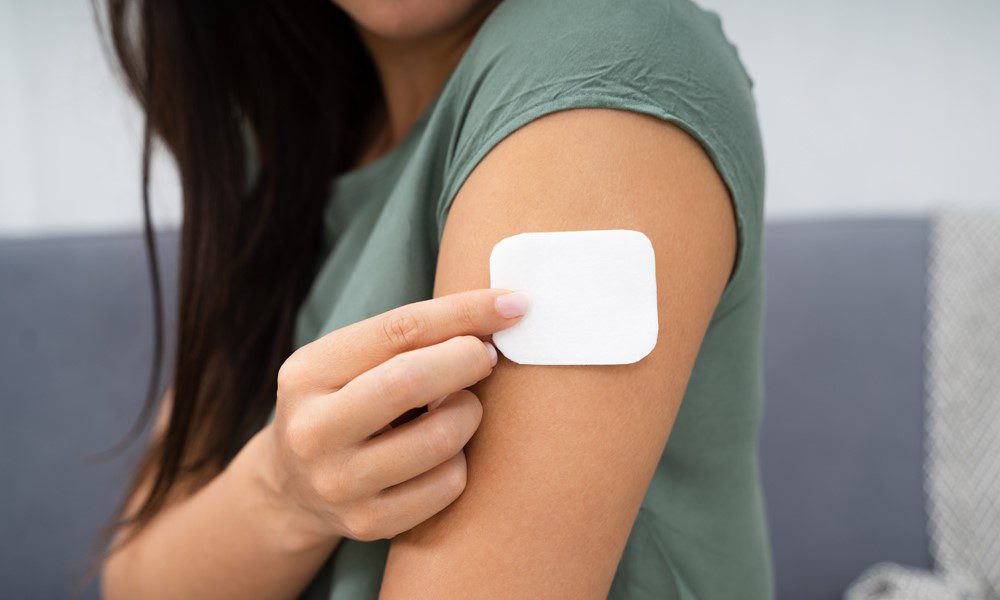
Transdermal patch on arm

Manufacturing transdermal patches can be a valuable way for cosmetics, health and wellness brands to expand product lines, enter new markets and reach more customers. We know because we help many of our partners do just that, delivering end-to-end manufacturing and converting solutions for formulating, designing, producing and packaging transdermal patch products. But in talking with people in our industry, we also hear a lot of misconceptions about what it takes to create these products โ€” or whether it’s even worth it. From CBD patches to B12 patches, pain relief products to sleep aids and everything in between, some manufacturers are unsure about the viability of bringing these products to market. So, we thought we’d use our experience to dispel some common myths about manufacturing transdermal patches.

Myth #1: The market is already oversaturated with CBD patches and other transdermal products

Truth: There is still ample opportunity for manufacturers to make an impact and capture market share for a variety of transdermal patch products. In total, the U.S. market for transdermal patches in 2020 was estimated at around $17.6 billion. Some experts project that to grow to around $30.5 billion by 2026. When thinking about CBD patches specifically, some organizations predict the U.S. market for CBD products will hit $6 billion by 2025, while others project it to hit $20 billion by 2024. So, itโ€™s clear there is a lot of room to grow in this space, and a lot of demand that will need to be met. Brands and manufacturers that can establish product lines now will be in a better position to grow alongside the overall market.

Myth #2: Ambiguous laws and regulations for manufacturing CBD patches make the idea too risky

Truth: It is possible to manufacture CBD patches and other therapeutic products without putting your company in legal jeopardy. Yes, there was a time early in the CBD craze where governmental bodies were scrambling to enact new laws, resulting in a patchwork of regulations. Although CBD laws and regulations continue to evolve, there is much less gray area than there once was and legal resources are much more familiar with manufacturing rules and registration requirements for producers of cannabis-derived products. The FDA also has clear guidance on what is legal to put into formulations for transdermal absorption. Any brand or manufacturer looking to get into this space should still consult their legal counsel. But starting to create these products is not the venture into the wilderness it once was. Brands that partner with a reliable converter can feel confident they will stay compliant and produce products consumers will love.

Myth #3: Adhesive converters shy away from working with transdermal materials, including CBD

Truth: There are many adhesive converters โ€” including The Tape Lab โ€” that are ready and willing to take on any transdermal patch manufacturing project. Sure, some companies may not have the experience or expertise to reliably deliver these types of products. But others have been doing it for years and can create transdermal patches that meet exact dosage and quality standards in every production run. Partnering with a trusted converter that has a proven track record of manufacturing transdermal patches can help keep production costs in check by streamlining the development process, ultimately helping you bring products to market faster.

Myth #4: Customers donโ€™t want patches, they want other forms of CBD

Truth: Patches have carved out their own space in the CBD market alongside gummies, oils and other products. In fact, โ€œtopicalsโ€ as a product category currently dominate the U.S. CBD market, making up around 50% of all CBD products sold. One survey found that 8% of CBD users are interested in patches specifically, while another 8% are interested in skin care products, 12% in soaps and 18% in topical sprays. So, consumers are already on board with transdermal absorption as a transmission method, and patches can be a great option for timed or slow-release products. As more patches become available to consumers, preferences are likely to change. The key is to make sure any stick-to-skin product is comfortable, breathable and doesnโ€™t irritate or damage the skin. By prioritizing the wearerโ€™s experience, manufacturers can create transdermal patch products that users love and want to use.

Myth #5: Plant-based transdermal patches are too difficult to manufacture to be cost-effective

Truth: Transdermal patches are a viable product when producing them with the right partner. Sure, from a design and production standpoint, plant-based transdermal patches are more complex than a label or sticker. But the challenge is far from insurmountable. Experienced adhesive converters can fall back on knowledge gained from past projects to speed product development, using tried-and-true materials and production methods to streamline operations. Essentially, a converter partner can tweak established designs to infuse high-quality materials with your unique therapeutic formulation and create new products that stand out in the market. By finding the right partner rather than starting from scratch, you can achieve cost-effective manufacturing that moves your business forward.

Interested in learning more about manufacturing transdermal patches? Contact The Tape Lab today to see how our private labeling services can help you get products into market quickly and on-budget.

Transdermal patch development and converting 101

Close-up of a photo-etched metal sheet.

The science of skin has come a long way in recent years, and transdermal patches are now a widely popular delivery method for a host of cosmetic, therapeutic and pharmaceutical treatments. Having gained widespread acceptance among consumers, the market for stick-to-skin patches can be very lucrative. To speed the development process and avoid costly issues, here are some things to consider when embarking on transdermal patch development.

The market for transdermal patches

Whether youโ€™re talking about B12 patches, melatonin patches or even delivery systems for manuka honey, transdermal patches are in high demand. Overall, the market for transdermal patches was estimated at around $17.6 billion in 2020. Projections show that growing to around $30.5 billion by 2026.

Many companies are looking at manufacturing CBD patches in particular because the CBD market alone is estimated at nearly $3.5 billion, with projections showing significant future growth. CBD sales are expected to reach roughly $13.4 billion by 2028.

However, taking advantage of the transdermal patch market is no easy feat. In 2019, the CEO of one pharmaceutical company estimated that โ€œthe cost of developing a novel molecule-patch combination is nearly $2 billion.โ€ But that same CEO estimated โ€œthe cost of developing a generic transdermal patch is less than 5% of the cost of a novel patch.โ€

This is where a tape converting partner can provide significant value. Instead of reinventing the wheel and incurring all the associated costs, a converter can provide tried-and-true methods that speed product development and eliminate headaches in the process.

For tips on how to take stick-to-skin products from concept to commercial production, download our ebook, Designing and Producing Wearable Stick-to-Skin Products.

Converting services for transdermal patches

Transdermal patch development is almost always easier, faster and cheaper when done in partnership with a tape converting services company. Thatโ€™s because an experienced tape converter that can both formulate custom adhesives for transdermal patches and has the capabilities to die cut and package your patches can assist at nearly every stage of the product development process โ€” from prototyping to packaging.

An experienced converting partner can help you:

Design your transdermal patch

  • A knowledgeable converter can help you design a delivery system (i.e., matrix patch or pre-dosed patch) that can deliver the intended therapeutic through the adhesive layer.
  • Sizing of the patch and location on the body for the patch are paramount in the success of the product. An experienced tape converter who knows the transdermal and stick-to-skin market is essential for the success of your overall design.

Select the right type of pressure sensitive adhesive

Ensure consistency in the finished product

  • Consumers expect (and regulators demand) a consistent payload or dosage from transdermal patch products.
  • Reliable converting processes help ensure each patch delivers a consistent experience.

Choose materials for the carrier and liner layers

  • A converter with ties to major suppliers can help you source the premium materials you need to make products that stand out in the marketplace.
  • Extended tape liners make products easier to apply for consumers.
  • A converter with full packaging resources can be your full turnkey solution to launching and maintaining a consistent supply chain.

Cut materials to the desired shape

  • Whether you want squares, ovals or a butterfly shape, a converter with an array of die cutting, slitting and sheeting capabilities can create the ideal shape for your application.
  • A trusted partner can also help organize production to cut down on wasted material.

Maintain regulatory compliance

  • A converter that is ISO 13485 certified has proven they will adhere to strict guidelines to ensure quality control and help you avoid any regulatory issues.

Streamlining product development

Transdermal patch development is a complex process with a lot of hurdles to overcome before you can get products into the hands of your customers. Thatโ€™s why the best go-to-market approach is often to seek out a converting partner that offers full service private labeling for every aspect of your patch. For example, The Tape Lab can formulate safe stick-to-skin adhesives, laminate materials to create the finished patch, die-cut patches to the appropriate size and even package products for patch manufacturers. This allows us to act as a one-stop shop for all your transdermal patch production needs. Consider partnering with a trusted converter early in the product development process so you can streamline manufacturing and achieve commercial production faster.

Are you looking to develop transdermal patches and expand your business? Contact The Tape Lab and put our knowledge and industry-leading capabilities to work for you.

Tape Anatomy 101: The Components of Pressure Sensitive Adhesive Tape

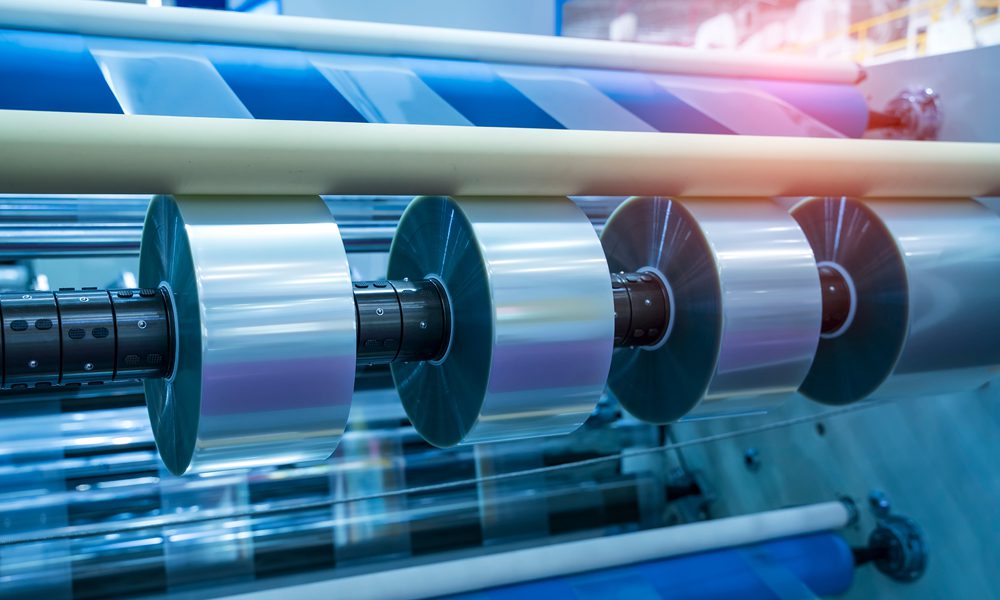
Rolls of plastic film in a manufacturing facility

Most people never stop to consider how tape is made โ€” engineers included. That’s why converters like The Tape Lab exist, to provide unique expertise and converting capabilities for pressure-sensitive adhesives (PSA) and tape products. But if you really want to streamline product development and get the most value from your converter partnerships, you need to understand the basic components of tape in detail. Here’s a breakdown of the different layers and materials used in some common PSA tape products.

Double-sided tape

Double-sided tape is useful in a variety of industrial applications as well as stick-to-skin products like fashion tape and others.

Components of double-sided tape include:

  • Release liner โ€“ The liner protects the underlying adhesive layers to maintain the tapeโ€™s integrity during storage and application.
  • Carrier โ€“ The carrier gives tape structure and makes it easier to handle. Materials used to create the carrier layer include films, foams, cloth, paper or even foil materials.
  • Adhesive โ€“ Adhesives used in the contact layer (the layer that actually bonds to the application site) can provide varying levels of tack and holding power to meet different performance needs.

Carriers for double-sided tapes can range from a film as thin as a fraction of a millimeter up to a thick foam that helps fill gaps in product design, or to be used as a vibration dampener.

Single-sided tape

Single-sided tape is perhaps most familiar to consumers and engineers alike. These common products can be used in everyday consumer applications or as interior components in intricate product designs.

Components of single-sided tape include:

  • Release coating โ€“ Typically made of silicone, this layer allows the tape to unwind from the spool without adhering to itself.
  • Carrier โ€“ Provides structure to the tape and are typically made from cloth, non-woven, foam, film or foil materials.
  • Adhesive โ€“ The pressure sensitive adhesive is applied to only one side of the carrier. Sometimes applications require an additional layer of woven cloth or glass strands to provide additional support. These types of single-sided tapes most commonly feature rubber-based adhesives.

Like most PSA tapes, adhesives for single-sided tapes are typically made from rubber, silicone or acrylic materials. Additional applications for single-sided tapes include cloth tape, wound closure tape, foam tape, surface protection tape and UHMW tape.

Adhesive transfer tape

Adhesive transfer tapes feature pressure-sensitive adhesives that are coated directly on a siliconized release liner. Imagine a floating layer of adhesive with no internal structure to speak of. These types of tapes are most commonly used in industrial applications as bonding tape, laminating adhesive tape or for box and bag sealing applications.

Components of adhesive transfer tape include:

  • Liner โ€“ These liners are typically siliconized and made of paper or film.
  • Adhesive โ€“ The adhesive layer can come in a variety of thicknesses and tolerances to meet nearly any application need. For example, rubber adhesives are used for indoor applications because of their high initial bond strength. Rubber adhesives perform better in controlled environments with no elevated temperatures; while acrylic adhesives are rated better for outdoor use and elevated temperature applications because they can withstand temperatures between 250-350 degrees and the bond strengthens over time.

Transfer tapes are commonly used in applications where material stack up issues may be a concern. Transfer tapes donโ€™t have a carrier that adds bulkiness or stiffness to the tape construction. These kinds of products are useful because they are more conformable to different applications, but they are also more difficult to dispense and donโ€™t reinforce the substrate to which they are applied.

Tape offers possibilities and profitability

Itโ€™s important for engineers to understand what options they have available because tape converting services can provide a shortcut to efficient product development. An experienced tape converter can help engineers better understand how tapes and other pressure-sensitive adhesives can be used to augment and enhance product performance. By diving down and understanding tape product and materials on a detailed level, engineers and product developers can streamline the development process and bring products to market faster and more efficiently.

Want to learn more about your options for contract manufacturing using tapes and other pressure-sensitive adhesives? Contact The Tape Lab and weโ€™ll help you choose the right materials and processes for your products.

Manufacturing CBD patches: An introduction for product developers

Woman applying a nicotine patch to her arm.

CBD products absolutely exploded in popularity in recent years, and the market doesnโ€™t show any signs of slowing down. In 2021, the CBD market is estimated at around $3.5 billion, but is expected to grow to nearly $13.4 billion by 2028. Because CBD is still relatively new, there is ample opportunity for manufacturers to introduce new products โ€” like CBD adhesive patches โ€” and gain significant market share. Manufacturing CBD patches requires a thoughtful approach that balances product performance needs and overall user experience. Hereโ€™s a quick introduction to help product developers create CBD patches quickly and efficiently.

Why manufacture CBD patches?

There are a lot of CBD products on the market: gummies, lotions, tinctures, vaporizers, oils and much more. So, why would consumers want CBD patches in particular? As it turns out, transdermal CBD patches offer a number of advantages over other products, including:

  • Avoids the โ€œFirst Pass Effectโ€ where the bodyโ€™s metabolism limits the effectiveness of oral drugs
  • Consistent doses (compared to variable or hard-to-measure doses using CBD lotion or similar products)
  • Feels more professional/medical
  • Controlled and consistent release of CBD compounds
  • Easy to apply and remove

Types of CBD patches

From a manufacturing perspective, there are two main types of CBD patches: matrix patches and pre-dosed patches.

Matrix patches โ€“ These patches are typically composed of five distinct layers (peel-off liner, matrix layer, separating layer, adhesive layer, backing layer) and start working instantly because the CBD is infused directly into the matrix layer that touches the skin.

Pre-dosed patches โ€“ The most common type of CBD patches on the market, these patches typically have fewer layers because the CBD is compounded into the adhesive and not infused into the patch itself. The CBD level is controlled and evenly distributed on the patch to release a steadier CBD delivery rate compared to the tapered release experienced with matrix patches. Also, the pre-dosed CBD patches are absorbed by the skin and avoid the โ€œfirst pass effectโ€ by not utilizing the GI tract.

The type of design used can impact product performance. So, engineers will need to think critically about product goals before choosing a specific type of patch. Many CBD patches are made with permeation enhancers to help CBD cut through skinโ€™s natural defenses and reach the bloodstream. The strength of CBD patches can vary from 0.5mg up to 120mg or more.

Manufacturing challenges

Manufacturing CBD patches requires engineers to overcome many of the same challenges associated with other types of stick-to-skin products. Product developers need to consider the impact adhesives have on user comfort, how to ensure user mobility and how to design products that are as discreet as they are effective. Here are just some of the challenges that will need be addressed when designing and manufacturing CBD patches:

  • Adhering patches to a dynamic surface like skin that has varying textures, elasticity and other factors that can impact product performance
  • Achieving strong enough holding power to stay affixed during long wear-times, but still easy to remove with one hand without causing significant discomfort
  • Managing moisture from sweat, water and natural oils without compromising adhesive performance
  • Ensuring the product is โ€œbreathableโ€ enough so it doesnโ€™t damage skin

An experienced converter can help product developers choose the appropriate materials and adjust designs to craft effective CBD patches that users will want to wear.

For insights on how to bring stick-to-skin products to market quickly and efficiently, download our ebook, Designing and Producing Wearable Stick-to-Skin Products.

Tailoring products to user preferences

To create the perfect CBD patch, engineers need to fully understand who their customers are and why they are using these products in the first place. This can be challenging as CBD products have become so mainstream that they are commonly used by people across all demographics and for a variety of purposes. For instance, some athletes use CBD to aid in their recovery process, and many professionals use it to destress after a long day. What does this type of more casual use say about how these products should be designed? On the other hand, some people use CBD as part of their medical care, seeking to reduce seizures, provide pain relief and even assist in cancer treatment. What kind of design, packaging and materials considerations are most appropriate for these types of users? By considering these kinds of questions, product developers can create CBD patches that are perfectly tailored to user preference and needs.

Opportunity awaits

In a growing market with customers who are willing to try new things, CBD patches represent a tremendous opportunity for manufacturers. The key is figuring out how to create these innovative products quickly and on budget. By partnering with an experienced converter that can help design, develop and manufacture CBD patches, health and wellness brands can capture market share and position themselves for significant growth in the years ahead.

Have an idea for a new CBD product? The Tape Lab has the knowledge, experience and capabilities to bring your vision to life. Contact us to see how we can help you gain traction in the CBD market.