
Understanding ISO 10993: Biocompatibility in Medical Devices

biocompatibility iso 10993

In the world of medical devices, ensuring patient safety and device effectiveness is paramount. One crucial aspect of this is biocompatibilityโ€”the ability of a medical device to perform its intended function without causing harm to the patient. ISO 10993 is a series of international standards specifically designed to assess the biocompatibility of medical devices. It is critical in this industry to understand the definition and importance of all regulations, including ISO 10993, including its key components, and its impact on medical device development and patient safety.

What is ISO 10993?

ISO 10993 is an international standard developed by the International Organization for Standardization (ISO) that provides a framework for evaluating the biocompatibility of medical devices. The standard is intended to ensure that devices do not produce adverse reactions when they come into contact with the body, either directly or indirectly. Biocompatibility testing is critical for demonstrating that a medical device is safe for use in its intended application.

The ISO 10993 series consists of multiple parts, each addressing different aspects of biocompatibility. These parts cover everything from general principles and testing methodologies to specific requirements for different types of devices and materials. The series is regularly updated to reflect advances in technology and scientific understanding.

Why is Biocompatibility Important?

Biocompatibility is crucial because medical devices interact with the human body in various ways. Whether a device is implanted inside the body, used on the skin, or comes into contact with bodily fluids, it must be designed and tested to avoid causing harm. Adverse reactions can range from mild irritation to severe complications, such as infections or tissue damage, which can compromise the deviceโ€™s effectiveness and patient safety.

For instance, an implantable device, like a pacemaker, must not trigger an inflammatory response or cause tissue damage. Similarly, a catheter or wound dressing that contacts the skin should not cause allergic reactions or persistent irritation. Ensuring biocompatibility helps to minimize risks and enhance the overall safety and performance of medical devices.

Key Components of ISO 10993

ISO 10993 is divided into several parts, each addressing different aspects of biocompatibility:

  1. ISO 10993-1: Evaluation and Testing Within a Risk Management Process This part provides general guidance on the evaluation and testing of medical devices, including the principles for determining biocompatibility based on the deviceโ€™s intended use and contact with the body. It emphasizes the importance of a risk management approach, which involves assessing the potential risks associated with the device and determining the appropriate testing and evaluation methods.
  2. ISO 10993-2: Animal Welfare Requirements This part addresses the ethical considerations and welfare requirements for animal testing, which are integral to biocompatibility assessments. It outlines guidelines for the humane treatment of animals used in testing and ensures that animal testing is conducted responsibly and ethically.
  3. ISO 10993-3: Tests for Genotoxicity, Carcinogenicity, and Reproductive Toxicity This section focuses on testing for potential genotoxic, carcinogenic, and reproductive toxic effects of medical devices. These tests are critical for identifying any long-term risks associated with the device materials or their degradation products.
  4. ISO 10993-4: Selection of Tests for Interactions with Blood This part specifies the tests needed to evaluate the interactions of medical devices with blood, including assessments of hemolysis, clotting, and thrombogenicity. It is essential for devices that come into contact with blood, such as dialysis machines and blood glucose monitors.
  5. ISO 10993-5: Tests for In Vitro Cytotoxicity This section outlines methods for assessing the cytotoxicity of medical devices using in vitro (test tube) methods. Cytotoxicity tests help determine whether the device materials cause cell damage or death.
  6. ISO 10993-6: Tests for Local Effects After Implantation This part provides guidelines for evaluating the local effects of medical devices after implantation. It includes tests for assessing inflammation, tissue response, and other localized effects that may occur when the device is placed inside the body.
  7. ISO 10993-7: Ethylene Oxide Sterilization Residuals This section deals with the residuals left by ethylene oxide sterilization, which is commonly used to sterilize medical devices. It provides guidelines for evaluating and managing any potential risks associated with sterilization residues.
  8. ISO 10993-10: Tests for Irritation and Sensitization This part focuses on evaluating the potential for irritation and sensitization caused by medical devices. It includes tests to assess skin and mucosal irritation, as well as the potential for allergic reactions.
  9. ISO 10993-11: Tests for Systemic Toxicity This section addresses tests for systemic toxicity, including assessments of potential adverse effects on various organs and systems in the body. Systemic toxicity testing is crucial for ensuring that the device does not cause harmful effects when used as intended.

Implementing ISO 10993 in Medical Device Development

For product developers and manufacturers, adhering to ISO 10993 is essential for ensuring that medical devices meet regulatory requirements and are safe for patient use. The process begins with a thorough risk assessment to determine the relevant biocompatibility tests based on the deviceโ€™s design, materials, and intended use. This assessment guides the selection of appropriate testing methods and helps identify potential risks early in the development process.

Once the necessary tests are identified, developers must conduct rigorous evaluations, often involving in vitro, in vivo, and clinical testing. The results of these tests are then documented and submitted to regulatory bodies for review and approval. By following ISO 10993 guidelines, manufacturers can demonstrate compliance with international safety standards, reduce the risk of adverse events, and enhance the overall quality of their products.

Talk to An Adhesive Expert about ISO 10993

At The Tape Lab, we have the knowledge and expertise to walk you through the strict standards and regulations, including ISO 10993.ย ย 

Set up time to talk to us today.

Weโ€™re not just manufacturing adhesives and other flexible medical materials; weโ€™re crafting partnerships to bring your custom innovations to life. We design, manufacture, and transform adhesives for your personalized medical solution.ย 

Already have an idea of what you need? Want to pick the brain of an expert? Contact The Tape Lab or request a quick quote, and letโ€™s combine your vision with our knowledge and industry-leading capabilities to create a custom adhesive solution.
Enabling Remote Monitoring with Wearable Medical Devices

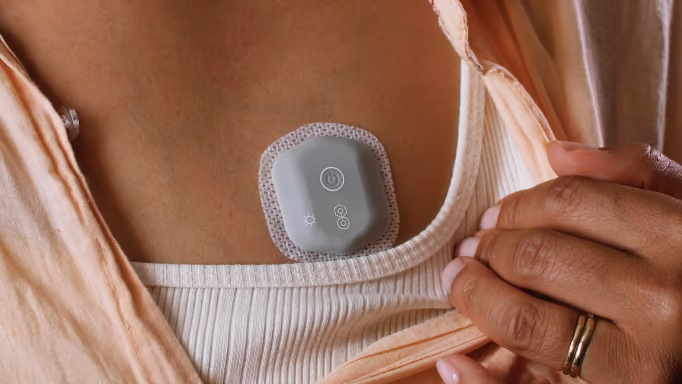
biointellisense remote heart monitoring

In recent years, technological advancements have significantly transformed the healthcare landscape. Among these innovations, wearable medical devices for remote monitoring have emerged as a game-changer, offering new possibilities for both patients and healthcare providers. These devices, ranging from simple fitness trackers to sophisticated biosensors, are redefining the way health is monitored, managed, and maintained.

The Rise of Wearable Medical Devices

Wearable medical devices have become increasingly popular due to their ability to provide real-time health data. These devices include smartwatches, fitness bands, ECG monitors, glucose monitors, and even smart clothing embedded with sensors. The primary allure of these devices lies in their convenience and ability to continuously track various health metrics such as heart rate, blood pressure, oxygen saturation, physical activity, and sleep patterns.

Benefits of Remote Monitoring

1. Proactive Healthcare Management

One of the most significant advantages of remote monitoring is the shift from reactive to proactive healthcare. Wearable devices allow for continuous health monitoring, which means that potential health issues can be detected early before they develop into more severe problems. For example, an irregular heartbeat detected by a smartwatch can prompt a visit to the cardiologist before a more serious cardiac event occurs.

2. Enhanced Patient Engagement

Wearable devices empower patients by providing them with direct access to their health data. This increased visibility can motivate individuals to take a more active role in managing their health, adhere to treatment plans, and make healthier lifestyle choices. When patients are more engaged, outcomes improve, and the overall healthcare experience becomes more positive.

3. Convenience and Comfort

Remote monitoring eliminates the need for frequent in-person visits to healthcare facilities. For patients with chronic conditions or those requiring regular monitoring, this can be a significant relief. It reduces the burden on patients, caregivers, and healthcare systems, especially during times when accessing medical facilities may be challenging, such as during pandemics.

4. Data-Driven Insights for Healthcare Providers

For healthcare providers, wearable medical devices offer a wealth of data that can be used to gain insights into a patientโ€™s health status. This data can be invaluable for making informed clinical decisions, personalizing treatment plans, and tracking the effectiveness of interventions over time. Moreover, it facilitates a more comprehensive understanding of a patientโ€™s health outside of the clinical setting.

Technological Innovations Driving the Trend

Several technological advancements have catalyzed the growth and effectiveness of wearable medical devices:

1. Miniaturization of Sensors

The development of small, yet powerful sensors has enabled the creation of compact and comfortable wearables that can be worn continuously without causing inconvenience. These sensors are capable of accurately measuring various physiological parameters and transmitting data in real-time.

2. Advancements in Wireless Communication

The integration of Bluetooth, Wi-Fi, and cellular connectivity in wearable devices ensures seamless data transmission to healthcare providers. This continuous flow of data allows for timely interventions and reduces the lag between symptom onset and medical response.

3. Artificial Intelligence and Machine Learning

AI and machine learning algorithms are increasingly being used to analyze the vast amounts of data generated by wearable devices. These technologies can identify patterns, predict health events, and provide actionable insights, enhancing the predictive and preventive capabilities of remote monitoring systems.

4. Interoperability and Integration

Modern wearable devices are designed to integrate with electronic health records (EHR) and other healthcare systems. This interoperability ensures that the data collected by wearables can be easily accessed and utilized by healthcare providers, leading to more coordinated and efficient care.

Challenges and Considerations

Despite the numerous benefits, there are challenges associated with the widespread adoption of wearable medical devices for remote monitoring:

1. Data Privacy and Security

The collection and transmission of sensitive health data raise significant concerns regarding privacy and security. Ensuring that data is protected from breaches and unauthorized access is paramount to maintaining patient trust and compliance with regulations like HIPAA and GDPR.

2. Data Accuracy and Reliability

The accuracy and reliability of data from wearable devices can vary. Ensuring that these devices meet rigorous standards for medical-grade accuracy is crucial for their effectiveness in clinical settings.

3. Cost and Accessibility

While the cost of wearable devices has decreased, making them more accessible, there are still barriers for certain populations. Addressing issues of affordability and ensuring that these technologies are available to all segments of the population is essential for equitable healthcare.

The Future of Wearable Medical Devices

As technology continues to advance, the potential of wearable medical devices for remote monitoring will only expand. Future developments may include more sophisticated sensors, enhanced data analytics, and even more seamless integration with other healthcare technologies. These innovations will continue to drive the transformation of healthcare, making it more proactive, personalized, and efficient.ย 

Get a Quality Adhesive for a Remote Monitoring Device

At The Tape Lab, weโ€™re ready to bring your custom innovations to life.ย  As medical device adhesive experts, we design, manufacture, and transform quality adhesives into personalized solutions.

Already have an idea of what you need? Want to pick the brain of an expert? Contact The Tape Lab and letโ€™s combine your vision with our knowledge and industry-leading capabilities to create a custom adhesive solution.
Get a Quick Quote

Or call us to discuss your options: +1 949-930-3112

How AI is Enhancing Wearable Medical Devices

medical ai wearable devices

Wearable devices have become increasingly integrated into our daily lives, providing insights into our health, fitness, and overall well-being. Artificial Intelligence (AI) is set to revolutionize this field by enhancing the functionality, accuracy, and user experience of these devices. Letโ€™s explore how AI will improve wearable devices across various dimensions, including health monitoring, personalization, energy efficiency, and user interaction.

Enhanced Health Monitoring

One of the most significant benefits AI brings to wearable devices is improved health monitoring. Current wearables can track basic metrics like steps taken, heart rate, and sleep patterns. However, AI can analyze these data points to provide deeper insights and more accurate diagnostics. For instance, AI algorithms can detect anomalies in heart rate patterns that might indicate conditions such as atrial fibrillation or early signs of cardiovascular diseases. These predictive analytics can prompt users to seek medical advice before their conditions worsen.

AI can also enhance the accuracy of health metrics by filtering out noise and accounting for individual variability. For example, AI can distinguish between different types of physical activities and adjust calorie expenditure calculations accordingly. It can also learn from the userโ€™s historical data to provide more personalized health insights, such as identifying specific factors that might affect sleep quality or stress levels.

Personalization and User Experience

AI excels in personalization, which can significantly enhance the user experience of wearable devices. By analyzing the userโ€™s data over time, AI can tailor recommendations to fit the individual’s lifestyle and goals. For instance, an AI-driven wearable can create a customized fitness plan that adapts based on the user’s progress, preferences, and even daily schedule. This level of personalization can increase user engagement and motivation, making it easier for people to achieve their health and fitness goals.

In addition to fitness, AI can personalize other aspects of wearable devices, such as notifications and reminders. By understanding the userโ€™s routines and preferences, AI can suggest optimal times for activities like exercise, medication, or relaxation. It can also prioritize notifications to minimize distractions, only alerting the user to the most critical information based on context.

Energy Efficiency and Battery Life

One of the persistent challenges with wearable devices is battery life. AI can play a crucial role in enhancing energy efficiency, thereby extending the battery life of these devices. AI algorithms can optimize power consumption by dynamically adjusting the deviceโ€™s operations based on usage patterns. For example, AI can switch off certain sensors when they are not needed or reduce the frequency of data sampling during periods of inactivity.

Additionally, AI can predict battery usage and provide users with intelligent insights on how to manage power consumption. For instance, if a wearable device predicts that the battery will not last until the next recharge opportunity, it can suggest adjustments to the userโ€™s activity or settings to conserve power. This proactive management can significantly improve the overall usability and convenience of wearable devices.

Advanced Sensors and Data Integration

AI enables the integration of advanced sensors and the processing of complex data streams from multiple sources. This capability is crucial for developing more sophisticated wearables that can monitor a wider range of health indicators. For example, AI can process data from electrocardiograms (ECGs), photoplethysmograms (PPGs), and other biosensors to provide comprehensive health assessments. By integrating data from different sensors, AI can offer a more holistic view of the userโ€™s health, identifying correlations and trends that might not be apparent from individual metrics alone.

AI can also facilitate the integration of wearable devices with other health technologies, such as smart home devices and electronic health records (EHRs). This interoperability can create a seamless health ecosystem where data flows freely between devices and platforms, enabling more coordinated and efficient healthcare.

Mental Health and Well-being

AI-powered wearables have the potential to significantly impact mental health and well-being. By analyzing physiological and behavioral data, AI can detect signs of stress, anxiety, or depression. For instance, changes in heart rate variability, sleep patterns, and activity levels can indicate mental health issues. AI can provide users with real-time feedback and interventions, such as breathing exercises, mindfulness prompts, or suggestions for physical activity, which can help manage stress and improve mental well-being.

AI can additionally offer long-term insights into mental health trends, helping users understand how various factors affect their mood and stress levels. This information can be invaluable for both individuals and healthcare providers in developing personalized mental health strategies and treatments.

Real-time Decision Making

Wearable devices equipped with AI can make real-time decisions based on continuous data analysis. This capability is particularly valuable in scenarios where immediate action is required. For example, in the case of a diabetic patient, an AI-powered wearable can monitor glucose levels and administer insulin automatically through an integrated pump. Similarly, for individuals with epilepsy, an AI wearable can detect early signs of a seizure and alert caregivers or provide preemptive measures to ensure safety.

Real-time decision-making extends beyond health to areas such as safety and convenience. For instance, AI can enhance the functionality of wearable devices used in sports or hazardous work environments by providing immediate feedback and alerts to prevent injuries.

Future Innovations

The future of AI in wearable devices holds even more promise. As AI technologies continue to advance, we can expect wearables to become more intelligent and autonomous. Future wearables might feature advanced natural language processing capabilities, allowing for more intuitive voice interactions. They could also leverage machine learning to predict and adapt to the userโ€™s needs even more accurately, creating an increasingly seamless and integrated experience.

In the realm of healthcare, AI-driven wearables could play a pivotal role in telemedicine, providing continuous remote monitoring and diagnostics, which can be especially beneficial in managing chronic diseases and supporting aging populations. Additionally, AI could enable the development of new wearable form factors, such as smart clothing or implantable devices, further expanding the possibilities for health monitoring and intervention.

AI is set to transform wearable devices, enhancing their capabilities and making them indispensable tools for health and wellness. From advanced health monitoring and personalized recommendations to improved energy efficiency and real-time decision-making, AI can significantly elevate the functionality and user experience of wearables. As AI technologies continue to evolve, we can anticipate even more innovative and impactful applications, making wearables more intelligent, responsive, and integral to our daily lives. This integration of AI into wearable technology promises not only to improve individual health outcomes but also to contribute to broader public health and well-being.

Get a Custom Adhesive Solution Created for Your Business

At The Tape Lab, weโ€™re not just creating wearable device adhesives; weโ€™re crafting partnerships to bring your custom innovations to life. We design, manufacture, and transform adhesives into personalized solutions.

Already have an idea of what you need? Want to pick the brain of an expert? Contact The Tape Lab and letโ€™s combine your vision with our knowledge and industry-leading capabilities to create a custom adhesive solution.

Get a Quick Quote

Or call us to discuss your options: +1 949-930-3112

Revolutionizing Healthcare with Advanced Wearable Technologies

medical wearable device

In the dynamic landscape of healthcare, the integration of wearable technology represents a transformative shift, enhancing care and improving operational efficiency. At the heart of this revolution is our expertise in custom adhesive solutions, particularly our specialized die-cutting capabilities that tailor adhesives to the exact needs of medical devices.

Tailored Adhesive Solutions for Seamless Wearable Device Integration

Imagine a device no larger than a coin, yet capable of transforming traditional healthcare settings into advanced care hubs. These wearables are more than mere gadgets; they are vital for continuous patient monitoring, directly streaming health data to medical staff. Our die-cut adhesives play a crucial role here, ensuring devices stay securely attached to the patient without compromising comfort. This capability not only alleviates the physical demands on healthcare teams but also enhances the accuracy of monitoring, crucial for early detection and intervention.

The Role of AI in Enhancing Wearable Device Adhesive Technologies

At the core of these wearable devices is artificial intelligence (AI), which does more than process informationโ€”it anticipates and prevents. Coupled with our advanced adhesive technologies, AI enables these devices to remain precisely where they are needed, analyzing numerous data points to predict potential health declines and enabling proactive medical interventions. This integration of AI with our die-cutting adhesive solutions marks a significant advancement in wearable technology, shifting from reactive to proactive care to ensure better patient outcomes.

Designing for Adherence and Comfort with Precision Die-Cutting

Adherence and comfort are paramount in medical wearables, and our die-cutting technology is at the forefront of ensuring these criteria are met. Our custom die-cut solutions provide secure, skin-friendly adhesion that allows devices to be as unobtrusive as possible. Features such as waterproof capabilities and extended battery lifeโ€”up to 30 days of continuous useโ€”are essential for the widespread adoption of wearables, allowing patients to maintain their daily routines without interruption.

Enhancing Healthcare Efficiency and Resource Management

The deployment of our tailored adhesive technologies significantly liberates valuable medical resources. By ensuring that wearable devices stay securely in place with minimal discomfort, we allow healthcare providers to concentrate their expertise where it is most needed, thus enhancing patient care and optimizing staff utilization. This efficiency not only maximizes the services provided but also boosts the morale and satisfaction of healthcare workers.

The Takeaway for Healthcare Innovators

For those of us at the forefront of developing wearable medical devices, the message is clear: the future is now. Our expertise in die-cut adhesive solutions is not merely a support function; it is an integral component of wearable technology, providing the essential ‘glue’ that brings these innovations to life. Wearable technology, equipped with our advanced adhesives, offers a promising avenue for significant impact and innovation.

As we continue to push the boundaries of what is possible in medical technology, our role in engineering advanced adhesive solutions places us at the forefront of this field. We are committed to sticking with innovation, supporting every step of the development processโ€”from idea to FDA approval, through prototypes, testing, manufacturing, and distribution.

By embracing these advancements, we empower not just our healthcare systems but also the individual lives they touch. The future is promising, and we are proud to be a part of shaping that future, ensuring that each step forward makes healthcare more accessible and efficient for everyone involved.

Join the Technological Movement

Now is the time to stay ahead of the curve and discover adhesive solutions for the latest medical technology and wearable devices.ย  Work with our experts to determine the right solution for your product.

Shop Wearable Adhesive Solutions


Conditions That Can Benefit from Adhesive Wearable Health Monitoring Devices

A man discusses his health with a doctor.

In the fast-paced realm of innovation, a new trend is emerging that promises to redefine the way we interact with wearable health monitoring devices: adhesive technology. Gone are the days of bulky gadgets strapped to our wrists or clipped onto our clothes; adhesive wearables are discreet, flexible, and effortlessly blend into our everyday lives. Let’s dive into the fascinating world of adhesive wearables and explore how they’re revolutionizing industries in ways we never imagined.

At the heart of adhesive wearables lies a simple yet ingenious concept: technology that sticks. These devices are equipped with sensors, microchips, and other electronic components, all nestled within a thin, flexible substrate that adheres directly to the skin. This design not only ensures a snug and comfortable fit but also allows for continuous monitoring and data collection without the need for cumbersome accessories.

Healthcare is perhaps the most promising frontier for wearables that stay with tape. Imagine a future where patients no longer need to be tethered to bulky monitoring equipment during their hospital stay. With adhesive wearables, medical professionals can remotely monitor vital signs, track medication adherence, and even detect early signs of deterioration in real-time, all while patients go about their daily activities unhindered.

How Different Conditions Use Wearable Devices for Monitoring Health

Wearable health monitoring devices have the potential to benefit individuals living with various diseases and conditions by providing continuous, real-time data monitoring and analysis. Here are some examples of diseases and conditions that can benefit from wearable health monitoring devices:

  1. Diabetes: Wearable devices equipped with glucose sensors can monitor blood sugar levels continuously, allowing diabetic individuals to manage their condition more effectively. These devices can provide alerts for high or low blood sugar levels, helping users take timely action to prevent complications.
  2. Heart Disease:ย Wearable devices can monitor heart rate, rhythm, and activity levels, providing valuable insights into cardiovascular health. For individuals with heart disease or at risk of heart conditions, continuous monitoring can help detect irregularities early and facilitate timely intervention.
  3. Hypertension (High Blood Pressure):ย Wearable blood pressure monitors can track blood pressure levels throughout the day, providing a more comprehensive picture of cardiovascular health. This continuous monitoring can help individuals and healthcare providers identify trends, optimize treatment plans, and make lifestyle modifications as needed.
  4. Sleep Disorders:ย Wearable devices equipped with sleep tracking capabilities can monitor sleep patterns, duration, and quality. For individuals with sleep disorders such as insomnia or sleep apnea, these devices can provide insights into sleep disturbances, facilitating diagnosis and treatment optimization.
  5. Chronic Respiratory Conditions:ย Wearable devices can monitor respiratory rate, lung function, and oxygen saturation levels, providing valuable data for individuals with chronic respiratory conditions such as asthma, chronic obstructive pulmonary disease (COPD), or cystic fibrosis. Continuous monitoring can help detect exacerbations early and guide treatment decisions.
  6. Epilepsy:ย Wearable devices equipped with motion sensors can detect seizure-like movements and alert caregivers or emergency contacts in real-time. These devices can provide peace of mind for individuals with epilepsy and their loved ones, enabling prompt assistance during seizure events.
  7. Chronic Pain Management:ย Wearable devices can track activity levels, movement patterns, and physiological signals associated with pain, providing insights into pain severity and triggers. For individuals living with chronic pain conditions such as fibromyalgia or arthritis, these devices can facilitate self-management strategies and optimize pain management interventions.
  8. Mental Health Conditions:ย Wearable devices can monitor physiological indicators of stress, anxiety, and mood fluctuations, providing individuals and healthcare providers with insights into mental health status. Continuous monitoring can help identify patterns, triggers, and early signs of mental health relapse, enabling timely interventions and support.
  9. Parkinson’s Disease:ย Wearable devices can monitor movement patterns, tremors, and gait abnormalities associated with Parkinson’s disease, providing valuable data for disease management and treatment optimization. These devices can assist healthcare providers in monitoring disease progression and adjusting medication regimens accordingly.
  10. Stroke Rehabilitation:ย Wearable devices can track movement, activity levels, and rehabilitation progress following a stroke, providing objective data for therapy planning and monitoring. These devices can help individuals and healthcare providers track recovery milestones, optimize rehabilitation programs, and facilitate long-term recovery.

Overall, wearable health monitoring devices have the potential to revolutionize disease management and healthcare delivery by providing continuous, personalized monitoring and support for individuals living with various diseases and conditions. As technology continues to advance, these devices hold promise for improving outcomes, enhancing quality of life, and empowering individuals to take an active role in their health and well-being.

Get a Custom Solution Created for Your Business

At The Tape Lab, weโ€™re not just creating wearable device adhesives; weโ€™re crafting partnerships to bring your custom innovations to life. We design, manufacture, and transform adhesives into personalized solutions.

Already have an idea of what you need? Want to pick the brain of an expert? Contact The Tape Lab and letโ€™s combine your vision with our knowledge and industry-leading capabilities to create a custom adhesive solution.

The Qualities of a Quality Wound Dressing

A doctor is bandaging a patient's hand.

Wound closures and dressings are essential components in wound care and often consist of an adhesive aspect.ย  They come in various forms and serve different functions depending on the type, size, and stage of the wound. Wound dressings can be categorized based on their composition, function, and application method.ย 

They are applied directly to a wound, and depending on the quality, they can facilitate healing, protect against infection, and promote recovery. Letโ€™s explore the specific materials and characteristics of high quality wound dressing products.

Wound Dressing Materials

These dressings are composed of various materials, each with unique properties and functions tailored to specific wound types and stages of healing.ย 

Here are the different materials commonly used in wound dressings:

Gauze Dressing:

  • Gauze dressings are one of the oldest and most commonly used types of wound dressings. They are made from loosely woven cotton or synthetic fibers and are available in various forms, such as pads, rolls, or sponges. Gauze dressings are absorbent, allowing them to wick away excess exudate from the wound while maintaining a moist environment conducive to healing. They are versatile and suitable for a wide range of wound types, including abrasions, lacerations, and surgical wounds.

Foam Dressing:

  • Foam dressings are composed of hydrophilic polyurethane or silicone foam materials. They have a soft, spongy texture and come in various thicknesses and configurations. Foam dressings are highly absorbent and provide excellent cushioning and protection for wounds with moderate to heavy exudate, such as pressure ulcers, venous leg ulcers, and surgical incisions. Some foam dressings have a waterproof outer layer to prevent leakage and maintain a moist wound environment.

Hydrocolloid Wound Dressing:

  • Hydrocolloid wound dressings are composed of gel-forming materials, such as sodium carboxymethylcellulose or gelatin, combined with a flexible adhesive backing. When in contact with wound exudate, hydrocolloid dressings form a gel-like matrix that absorbs moisture and creates a moist healing environment. These dressings are occlusive and provide a protective barrier against bacteria and contaminants, making them suitable for shallow wounds, such as pressure sores, minor burns, and abrasions.

Hydrogel Wound Dressing:

  • Hydrogel dressings consist of water-based gels encapsulated within a transparent or semi-transparent polymer matrix, such as polyethylene or polyvinyl alcohol. They have high water content and provide moisture to dry or necrotic wounds while cooling and soothing the surrounding skin. Hydrogel dressings are non-adherent and conformable, making them ideal for painful or sensitive wounds, such as burns, donor sites, and radiation dermatitis.

Transparent Film:

  • Transparent film dressings are thin, flexible sheets made of polyurethane or polyethylene. They are transparent or semi-transparent, allowing for visual inspection of the wound without removing the dressing. Transparent film dressings are waterproof and provide a barrier against bacteria and contaminants while allowing for moisture vapor transmission. They are suitable for superficial wounds, such as minor abrasions, surgical incisions, and IV sites, and can also be used as secondary dressings to secure primary dressings in place.

Composite:

  • Composite dressings combine multiple layers of different materials to provide enhanced functionality and versatility. For example, some composite dressings may consist of a non-adherent contact layer, an absorbent core, and an outer waterproof or breathable layer. Composite dressings offer the benefits of multiple dressing types in one product and are suitable for a wide range of wound types and exudate levels.

Composition of a Wound Dressing

  1. Substrate Material:

The substrate is the base material of the tape, providing structural support and stability. Common substrate materials used in wound tape include:

  • Polyester: Polyester substrates offer excellent strength, durability, and resistance to tearing. They provide stable support for dressings and medical devices, making them suitable for use in high-stress applications.
  • Polyethylene: Polyethylene substrates are lightweight, flexible, and conformable to body contours. They offer good adhesion and comfort, making them suitable for use on sensitive or delicate skin.
  • Paper: Paper substrates are lightweight and breathable, allowing air to pass through the tape to the skin. They are gentle on the skin and suitable for applications requiring hypoallergenic properties.
  1. Adhesive:

The adhesive is the component of the tape that provides sticking power and adheres to the skin or wound dressing. Adhesives used in wound tape are typically medical-grade and designed to be gentle, yet secure. Common types of adhesives include:

  • Acrylic Adhesive: Acrylic adhesives offer excellent tackiness, adhesion, and durability. They provide secure fixation without causing skin irritation or damage.
  • Silicone Adhesive: Silicone adhesives are hypoallergenic and gentle on the skin. They adhere well to both dry and moist skin surfaces and are suitable for sensitive or fragile skin.
  • Zinc Oxide Adhesive: Zinc oxide adhesives have mild antiseptic properties and provide strong adhesion, making them suitable for use in wound care applications.
  1. Backing Material:

The backing material is the layer of the tape that protects the adhesive and provides structural support. It may also contribute to the overall properties of the tape, such as breathability or moisture resistance. Common backing materials include:

  • Polyethylene Film: Polyethylene film backings provide a moisture barrier and protect the adhesive from external contaminants. They are waterproof and suitable for use in moist environments.
  • Paper: Paper backings are breathable and allow air to circulate to the skin. They are lightweight and conformable, making them suitable for use on sensitive or delicate skin.
  • Non-Woven Fabric: Non-woven fabric backings offer a balance of breathability, flexibility, and strength. They provide comfortable adhesion and conform to body contours.
  1. Release Liner:

The release liner is a protective layer that covers the adhesive and is removed before application. It helps to maintain the integrity of the adhesive and prevent it from sticking to itself or other surfaces. Release liners are typically made of silicone-coated paper or film.

Identifying a Quality Wound Dressing

A high-quality wound dressing is essential for effective wound management, as it plays a critical role in promoting optimal healing outcomes while ensuring patient comfort and safety. Several key factors contribute to the quality of a wound dressing, including its ability to create an optimal wound environment, promote healing, prevent complications, and provide ease of use. Here are some characteristics that make a wound dressing high quality:

Moisture Management: A high-quality wound dressing should effectively manage moisture levels in the wound bed. It should maintain a moist environment conducive to healing by absorbing excess exudate from the wound or providing moisture to dry wounds. Proper moisture balance helps facilitate cell migration, tissue regeneration, and wound contraction, promoting faster healing and reducing the risk of complications such as maceration or desiccation.

Wound Exudate Management: The dressing should have the capacity to absorb and contain wound exudate, which may contain bacteria, inflammatory mediators, and other harmful substances. Excessive exudate can delay healing and increase the risk of infection, so the dressing should effectively manage exudate levels based on the wound’s characteristics and stage of healing. High-quality dressings should be able to handle varying exudate levels, from minimal to heavy, without leakage or saturation.

Adherence to Wound Bed: The dressing should adhere securely to the wound bed without causing trauma or damage upon removal. It should provide gentle but effective adhesion to ensure proper contact with the wound surface, facilitating the exchange of nutrients and waste products necessary for healing. Additionally, the dressing should be easy to remove without causing pain or disruption to the healing process.

Conformability and Comfort: A high-quality wound dressing should be flexible and conformable to the contours of the wound and surrounding skin, ensuring optimal coverage and contact. It should provide cushioning and protection to minimize discomfort and trauma to the wound site, especially in areas prone to movement or pressure. Comfortable dressings encourage patient compliance and enhance overall satisfaction with wound care.

Transparency and Visibility: Transparent or semi-transparent dressings allow for easy visualization of the wound without removing the dressing, enabling healthcare providers to assess wound progress, monitor healing, and detect any signs of infection or complications. This transparency promotes timely intervention and facilitates patient education and engagement in their own wound care.

Biocompatibility and Safety: High-quality wound dressings should be biocompatible and safe for use on the skin, minimizing the risk of allergic reactions, sensitization, or other adverse effects. They should be free from harmful chemicals, latex, and other potential allergens that may cause skin irritation or compromise patient safety. Biocompatible dressings promote tissue compatibility and support the natural healing process without causing additional harm to the wound or surrounding skin.

Ease of Application and Removal: A high-quality wound dressing should be easy to apply and remove, minimizing the time and effort required for wound care procedures. It should come in user-friendly packaging with clear instructions for healthcare providers and patients. Additionally, the dressing should be designed to minimize trauma during removal, avoiding damage to newly formed tissue and reducing pain and discomfort for the patient.

Get a Custom Solution Created for Your Business

At The Tape Lab, weโ€™re not just creating adhesives; weโ€™re crafting partnerships to bring your custom innovations to life. We design, manufacture, and transform adhesives into personalized solutions.

Already have an idea of what you need? Want to pick the brain of an expert? Contact The Tape Lab and letโ€™s combine your vision with our knowledge and industry-leading capabilities to create a custom adhesive solution.

Spring Innovations: Custom Lifestyle & Fashion Tape

wedding fashion tape

With the advent of spring, the air is not just filled with freshness but also buzzes with the anticipation of transformation within the fashion and beauty sectors. The Tape Lab stands at the forefront of this change, blending innovation with practicality through custom adhesive solutions for fashion and beauty. This season, weโ€™re excited to spotlight how our expertise can revolutionize attire for proms, weddings, graduations, and even spring break adventures, turning visionary concepts into market-ready innovations.

Custom Adhesive Innovations for Special Occasions

Elegant Prom Night

Prom night is an iconic event that calls for attire that is as enduring as it is enchanting. Here at The Tape Lab, we dive into the heart of fashion design with our adhesive bras and dress tapes, ensuring each garment remains impeccably in place, invisible yet powerful. This niche, yet growing market, thrives on innovations that seamlessly blend aesthetics with functionality. Our Fashion & Beauty Solutions are crafted to elevate prom attire, merging comfort with unparalleled style.

Blissful Wedding Celebrations

The onset of spring heralds the wedding season, each celebration brimming with unique moments and opportunities for creativity. Beyond our core offerings of fashion tape, The Tape Lab introduces adhesive patches designed to enrich bachelorette and bachelor party fashion and wedding attire. From energy-boosting to hangover-recovery patches, our range provides a foundation for unforgettable party gift packs. For a personalized touch, our custom formulation service allows you to tailor these patches to your exact specifications, making them the perfect keepsake for any wedding-related event.

Glamorous Graduations

Graduation is a significant milestone, deserving of attire that reflects its importance. Our fashion tapes ensure that every graduate can celebrate their achievements without worry, offering a discreet yet secure hold for gowns and accessories. As the education sector grows, so does the potential for fashion innovations that make graduation day not just memorable but also comfortable and stylish. Explore how our fashion tapes can contribute to creating attire that stands out on this special day at Fashion & Beauty Tapes.

Securing Spring Break

Spring break is synonymous with adventure, demanding products that can withstand the rigors of an active lifestyle. For individuals managing diabetes, securing medical devices becomes paramount. The Tape Labโ€™s skin-friendly adhesives are specially designed to protect these devices from water, impact, and the wear and tear of springtime escapades. Our commitment to innovation ensures your product ideas can effectively shield medical devices, allowing for an unburdened enjoyment of spring break activities. Let’s work together to create Medical Device Adhesives that offer both protection and peace of mind.

A Season of Collaboration and Innovation

At The Tape Lab, we view innovation as the heart of fashion and practicality. As your partner, we are poised to transform your innovative ideas into products ready to captivate the market. The adhesive market within the fashion and beauty sectors is ripe with opportunities, and we are here, ready to bring your project to life. If you can dream it, we are here to help you achieve it.

This spring, let’s embrace the spirit of innovation to create products that not only mark life’s special moments but also cater to the dynamics of active lifestyles. If you’re ready to turn your next big idea into reality with The Tape Lab, reach out to us today. Letโ€™s make this spring a testament to innovation and collaboration.

Check out custom stick-to-skin tape products.