Biointellisense: Mastering the Design Transfer Process for Medical Device Success

A man standing in front of a red background.

The design and development of medical devices involve multiple steps, and ensuring a smooth transition from development to production is critical to success. For Biointellisense, a company known for its groundbreaking BioButtonโ€”a remote patient monitoring deviceโ€”this process is handled with precision and expertise.

In a recent conversation with Justin Rice, Director of Program Management at Biointellisense, we explored the companyโ€™s approach to the design transfer process and what makes it such an essential part of their success.

1.The BioButton: A Remote Monitoring Breakthrough

The BioButton is an FDA-cleared wearable device that tracks critical vital signs such as heart rate, respiratory rate, and body temperatureโ€”whether patients are in the hospital or at home. It provides continuous data that enhances patient care and allows for real-time monitoring, reducing the need for frequent hospital visits.

Justin shared:

โ€œThe BioButton provides a range of health metrics, allowing for both acute and at-home vitals monitoring. Itโ€™s a game-changer in remote patient monitoring.โ€

2.The Design Transfer Process: Ensuring Seamless Production

The journey from development to production isnโ€™t easy. Biointellisense follows 21 CFR Part 820, a regulatory framework for medical devices, ensuring that each stepโ€”user needs, verification, and validationโ€”is followed rigorously.

Justin emphasizes:

โ€œThe design transfer process is key. Our goal is to provide contract manufacturers with a complete package, ensuring they understand the productโ€™s requirements and can scale production smoothly.โ€

3.Collaboration with Contract Manufacturers

A crucial part of Biointellisenseโ€™s success is its relationship with contract manufacturers (CMs). The team works closely with CMs from the early stages of development to make sure that the product design is not only innovative but also manufacturable at scale.

According to Justin:

โ€œPartnerships with CMs are essential. From initial design discussions to final production, itโ€™s important to maintain open communication and ensure they have the capabilities to support long-term growth.โ€

4.Labeling and Documentation: The Details Matter

Justin stresses the importance of getting the labeling process right from the start. Delays in labeling or last-minute changes can push back production timelines significantly.

โ€œLabeling might seem like a small detail, but last-minute changes can delay shipments and productionโ€”itโ€™s crucial to get it right early.โ€

5.Forecasting and Supply Chain Management

Biointellisense, like many startups, faces challenges with forecasting demand and managing the supply chain. Early overproduction is sometimes necessary to meet rapid growth, but working closely with CMs allows for better planning and cost savings.

โ€œThe goal is to move into a stable, recurring build schedule as the product matures. This helps us manage costs and maintain supply assurance.โ€

Conclusion:

For Biointellisense, mastering the design transfer process ensures that their innovative products, like the BioButton, reach patients effectively and efficiently. By prioritizing strong partnerships, rigorous quality control, and attention to detail, the team sets a high bar for excellence in medical device production.

As the healthcare industry continues to innovate, Biointellisenseโ€™s approach serves as a model for seamless product development and manufacturing success.

#MedicalDevices #RemoteMonitoring #HealthcareInnovation #MedTech #DesignTransfer

How Adhesive Solutions are Revolutionizing Wearable Medical Devices: Insights from Cybel Health

A woman with a red background and a black and white logo.

The future of healthcare is wearable. As wearable medical devices gain popularity, one key aspect driving their success is adhesive technology. Adhesives must not only stick well but also be comfortable, safe, and cost-effective. For companies like Cybel Health, which is at the forefront of wearable tech innovation, adhesive partners are critical to ensuring the seamless transition from design to production.

I recently spoke with Alina Kulikova, Staff Biomedical Engineer at Cybel Health, about the role of adhesives in wearable medical devices and why collaboration with adhesive experts is crucial to their success.

1.Early Involvement of Adhesive Partners

According to Alina, involving adhesive partners as early as possible is key to success. Whether itโ€™s understanding how materials can affect the design or how production scales, the adhesive partner plays a pivotal role.

โ€œInvolving an adhesive partner from day one saves time and resources. Their expertise helps shape design and material choices that will work not only for prototypes but also in mass production.โ€

2.Overcoming Design and Manufacturing Challenges

Adhesive converters offer more than just materialsโ€”they offer insights that can make or break a product. From understanding cutting techniques to aligning designs with manufacturing capabilities, adhesive experts are critical in ensuring smooth production.

โ€œAdhesive converters can help with design modifications that wonโ€™t affect the core functionality but will ensure the product is manufacturable at scale.โ€

3.Material Selection and Minimum Order Quantities (MOQ)

For many wearable devices, material selection is a major challenge. Not only do materials need to meet specific technical specifications, but there are also issues like shelf life and minimum order quantities (MOQ) to consider.

โ€œConverters can sometimes offer alternative materials that are already in stock or can be sourced more quickly, helping to avoid long lead times or high MOQs.โ€

4.The Critical Role of Adhesive Partners in Regulatory Compliance

One of the most important aspects of wearable medical devices is regulatory compliance, especially biocompatibility. Choosing the right adhesive partner can streamline the FDA clearance process.

โ€œAdhesive converters with experience in ISO 10993 and other regulatory standards are invaluable when it comes to ensuring your product meets all safety requirements before entering the market.โ€

Conclusion:

For companies like Cybel Health, adhesive solutions are more than just a sticky substanceโ€”they are a crucial part of the overall product development process. By involving adhesive partners early and often, they are able to overcome design challenges, manage production efficiently, and meet stringent regulatory standards.

In the evolving world of wearable healthcare technology, adhesive solutions are paving the way for innovation.

#MedicalDevices #AdhesiveSolutions #WearableTech #Biocompatibility #ProductDevelopment #FDACompliance

The Science of Skin: Overcoming Adhesion Challenges in Medical Devices

A woman standing in front of a red background.

Skin is the bodyโ€™s largest organ and one of its most complex. For the medical device industry, understanding the intricacies of skin is key to creating safe and effective products that adhere well without causing damage. As Allison Chula, Global Application Engineer at Solventum, explains, adhesives that bond to skin face several unique challenges due to the skinโ€™s elasticity, moisture, and constant renewal process.

In this blog, we explore how Solventum develops medical-grade adhesive solutions that overcome these challenges and ensure safe and secure adhesion for medical devices.

1.The Complexity of Skin:

The skin acts as a barrier between our bodies and the outside world. However, this same barrier makes it difficult for adhesives to bond securely. Factors such as oils, sweat, and moisture vary by location on the body and must be considered when designing wearable medical devices.

2.Medical Adhesive Related Skin Injuries (MARSI):

MARSI can occur when adhesives are too strong or improperly applied, leading to skin stripping, tension blisters, or maceration. Itโ€™s essential to select the right adhesive for the intended wear time and skin type. By collaborating with Solventum, device manufacturers can prevent injuries and ensure optimal performance.

3.Adhesive Solutions for Different Applications:

Solventum offers a wide range of medical-grade adhesives, including silicones, acrylates, and synthetic rubbers. Each adhesive type has its own characteristics, making it suitable for different applications:

  • Silicones: Best for short-term wear (3โ€“7 days), with the ability to reposition during application.
  • Acrylates: Designed for longer wear (up to 28 days) and known for their excellent adhesion as they warm and adapt to the skin.
  • Synthetic Rubbers:ย Typically used as construction adhesives to hold device components together.

Clinical Testing for Wear Time:

At Solventum, we donโ€™t just develop adhesivesโ€”we test them rigorously through clinical wear studies. These studies measure wear time and survivability under real-life conditions. From monitoring activities to analyzing peel and shear failure modes, our comprehensive testing ensures that our adhesives perform effectively in the field.

Conclusion:

Choosing the right adhesive for medical devices requires an understanding of the science behind skin. At Solventum, we offer a variety of solutions that balance strong adhesion with patient safety. With clinical expertise and ISO-compliant products, weโ€™re your partner in creating safe, effective medical device adhesives.

MedTech Development: Navigating Regulations, Clinical Validation, and Product Strategy with Consonance

A man standing in front of the consonance logo.

The path to developing a successful medical device is filled with challenges. From navigating complex regulations to ensuring technical feasibility, startups in the MedTech space face significant hurdles. Marius Marshal, CEO of Consonance, shares insights on how his team supports companies through these obstacles, helping them bring innovative products to market.

Understanding the Key Challenges:

Many MedTech startups fear the unknownโ€”especially when it comes to regulatory compliance and clinical trials. According to Marius, โ€œRegulations are often seen as a barrier, but with the right understanding, they can be managed smoothly.โ€ Consonance helps clients overcome these fears by providing in-depth knowledge of regulatory pathways, whether through the FDA in the US or CE Marking in Europe.

Developing a Strategy for Success:

Consonanceโ€™s approach to product development begins with a thorough analysis of several key factors

  1. Usability: How will the device be used, and who will use it?
  2. Value Proposition: What new value or diagnostic information does the device provide?
  3. Business Viability: Is the device commercially viable, and how will it be monetized?
  4. Regulatory Feasibility: Are there standards and certifications required for the device?

Are there standards and certifications required for the device?

By addressing these areas early, startups can streamline decision-making, avoid common pitfalls, and develop a clear path forward.

Decision-Making: The Biggest Time Consumer:

Marius highlights that decision-making is the most time-consuming aspect of product development. Often, teams underestimate how long it takes to make crucial decisions about technology, design, and market positioning. With the right strategy and preparation, startups can navigate these uncertainties more effectively.

Conclusion:

With the right support, startups in the MedTech space can overcome the challenges of regulatory compliance, clinical validation, and technical feasibility. Consonance offers a complete, end-to-end solution that guides companies from initial concept to market entry, ensuring that each project reaches its full potential.

How Delta ModTech’s Advanced Machines Are Transforming Medical Adhesive Manufacturing

A man standing in front of a red background.

In medical device manufacturing, precision and repeatability are key, especially when producing adhesive-backed wearable devices. Delta ModTech, a leader in the field, offers servo-driven presses that deliver unmatched accuracy, helping manufacturers overcome the challenges of die-cutting multilayer medical adhesives.

Why Precision Matters:

When it comes to medical adhesives, even the slightest variation in tension can ruin a product. As Todd Westover, a veteran in specialty converting with 37 years of experience, explains, Delta ModTechโ€™s servo-driven technology ensures that tension is precisely controlled from start to finish. This is crucial when working with materials that vary in thickness and length, such as polyurethane films, foams, and double-coated tapes.

Modular Design for Maximum Flexibility:

One of Delta ModTechโ€™s standout features is its modular design. Machines can be customized with different modules, such as:

  • Ultrasonic welding
  • Laser cutting
  • Island placement

These modular setups allow manufacturers to switch between different operations without changing the entire machine. For example, a machine cutting foam adhesive one day can switch to handling delicate multilayer laminations the next.

Consistency and Quality Control:

Using closed-loop camera systems, Delta ModTech presses monitor the materialโ€™s alignment and registration throughout the production process. This ensures that even the most intricate designs are cut with precision and consistency. By adjusting for errors in real-time, the machine reduces wasted material, ultimately improving the efficiency and cost-effectiveness of production runs.

Tooling Expertise:

Westover also touches on the importance of selecting the right tooling. Delta ModTech offers both vacuum tools and punch tools, designed to handle specific tasks like removing internal slugs from adhesive materials or managing intricate cuts. Paired with advanced laser cutting, this ensures the highest precision when working with medical adhesive patches.

Conclusion:

Delta ModTechโ€™s advanced servo-driven technology, modular customization, and real-time quality control systems make it the premier choice for manufacturers of medical adhesive devices. Their ability to handle complex materials and produce consistently accurate results is transforming the way medical devices are made.

How to Build Effective Marketing Strategies for Wearable Medical Devices

A man is smiling while wearing a red circle.

The medical device market is becoming increasingly competitive, especially in the wearable technology sector. Whether youโ€™re launching a new wearable adhesive patch or pivoting an existing product, crafting an effective marketing strategy is crucial. Deepak Prakash, a medtech marketing expert, offers insights into how companies can leverage digital tools to reach target audiences while building credibility and trust.

Understanding the Audience:

The first step in successful marketing is understanding who your product is designed for. Deepak emphasizes the importance of identifying the customer pain points and focusing on outcomes, rather than overwhelming potential users with technical features. In medical devices, this could mean highlighting how the product improves patient comfort or enhances monitoring accuracy.

Deepak introduces two critical concepts:

1.Design for Purpose: Know the userโ€™s needs and how they will interact with the product.

2.Design for Use: Ensure the product is easy to use, which increases compliance and satisfaction.

Utilizing Digital Channels:

In todayโ€™s digital world, traditional marketing approachesโ€”like print ads and trade showsโ€”are complemented by digital marketing channels. Deepak notes that platforms like TikTok, YouTube, and Instagram are excellent for delivering engaging, bite-sized content. Meanwhile, SEO remains crucial for driving traffic to your website, which is often a key lead generator.

Itโ€™s important to tailor content to each platform:

  • YouTube and TikTok for quick tutorials and product highlights
  • Websites for deeper product details and case studies
  • Social Media for building engagement and customer feedback

Building Credibility Through Evidence:

In the medtech field, trust and credibility are paramount. Deepak stresses that you must convince on evidenceโ€”especially for more clinical devices. Providing clear, concise data that demonstrates accuracy and reliability is essential to gaining acceptance among both healthcare professionals and patients.

Conclusion:

The world of medical devices requires smart, strategic marketing. By focusing on customer outcomes, leveraging digital platforms, and building trust through solid data, medtech companies can effectively promote their products and gain market traction. Deepak Prakashโ€™s strategies remind us that successful marketing is about reaching the right audience with the right message, at the right time.

How BioIntellisenseโ€™s Design Transfer Process Drives Medical Device Success

A man standing in front of a red background.

The success of wearable medical devicesIn the highly regulated world of medical devices, the transition from prototype to full-scale production can be complex and filled with potential challenges. This process, known as design transfer, is critical for ensuring that products meet regulatory standards, quality controls, and production capabilities. Justin Rice, Director of Program Management at BioIntellisense, provides insights into how they have successfully navigated this process with their flagship device, the BioButton.

Understanding the Design Transfer Process:

For BioIntellisense, the design transfer process is built around compliance with 21 CFR Part 820, a set of quality management regulations specific to medical devices. As Justin explains, this process begins with user needs and ends with verification and validation. Itโ€™s not just about handing over a design to a contract manufacturer (CM), but about ensuring that all relevant documentation, specifications, and regulatory requirements are met.

The BioButton is a remote monitoring device used for both acute and at-home care, tracking vital signs like heart rate and respiratory rate. Bringing a device like this to market requires careful planning, including selecting the right CMs that have the capacity to meet both short-term and long-term production goals.

Common Watchouts in the Process:

One of the biggest challenges Justin highlights is labeling. While often overlooked, labeling issues can lead to production delays if not addressed early on. Additionally, maintaining control over subcomponent quality and visibility into the supply chain is vital. Small changes in third-party components can have significant downstream effects on the final product.

Ensuring a smooth design transfer involves robust documentation and collaboration with CMs to validate that their manufacturing capabilities align with the productโ€™s needs. BioIntellisense works closely with their CMs, providing detailed technical specifications, inspection procedures, and verification data to ensure product consistency.

Strong Partnerships with CMs:

Another key point Justin emphasizes is the importance of building strong relationships with contract manufacturers. At BioIntellisense, they engage CMs early in the process, allowing for design feedback and adjustments that can improve manufacturability and cut costs. They also use second sourcing to avoid sole reliance on a single supplier, which can be crucial in managing supply chain risks.

Conclusion:

The success of BioIntellisenseโ€™s BioButton is a testament to the importance of a well-executed design transfer process. From ensuring regulatory compliance to building strong partnerships with CMs, Justinโ€™s approach highlights the need for meticulous planning and collaboration to bring a medical device from concept to market.

Why Custom Adhesive Solutions Are Critical for Medical Device Success

Two men standing next to each other.

The success of wearable medical devices depends on more than just the hardware or software that powers them. One of the most overlooked, yet essential components, is the adhesive that holds the device to the skin. In a recent Tape Lab summit, we spoke with Josh Gerber and Nate Pierce from Dermamed about the critical role that adhesives play and why customization is key.

1.The Power of Customization in Medical Adhesives

At Dermamed, they take a unique approach to medical adhesives: customization. Rather than offering a catalog of standard products, Dermamed works closely with OEMs to design adhesives tailored to the specific needs of each project. Whether itโ€™s adjusting the adhesive formula, changing the liner, or mixing materials to improve performance, Dermamed creates solutions that are as unique as the devices they support.

According to Josh Gerber, Vice President of Sales at Dermamed:

โ€œWe donโ€™t compete with our customers because we donโ€™t have any finished devices. Weโ€™re strictly a tape manufacturer, supplying custom solutions for every project.โ€

2.Supporting Startups with Smaller Runs

One of the biggest challenges for medical startups is scaling production in a way thatโ€™s cost-effective. Dermamed addresses this issue by offering smaller production runs, allowing startups to test new adhesives and bring their products to market without the large upfront commitment. This flexibility allows companies to experiment, test, and iterate on adhesive solutions at a pilot level, ultimately leading to a better final product.

3.Early Involvement is Key

One theme that emerged in the conversation is the importance of early involvement in the product development process. The earlier Dermamed can get involved in a project, the more value they can bringโ€”fine-tuning the adhesive to match the specific needs of the device and its application.

As Nate Pierce, Regional Sales Manager at Dermamed, explained:

One theme that emerged in the conversation is the importance of early involvement โ€œOnce we know how the product is being used, what environment it will be in, and what wear time is desired, we can start designing a custom adhesive that meets those needs.โ€

Continuous Collaboration Beyond Design

One theme that emerged in the conversation is the importance of early involvementWhat sets Dermamed apart isnโ€™t just the customizationโ€”itโ€™s their commitment to ongoing support. They donโ€™t simply hand off the adhesive and walk away. Instead, they stay involved at every step of the process, from the initial design to working with converters and manufacturers to ensure the adhesive performs as expected.

Conclusion:

In a crowded market, having the right adhesive can be the difference between success and failure. Dermamedโ€™s commitment to customization, flexibility, and ongoing collaboration makes them an invaluable partner for medical device companies. By involving adhesive experts like Dermamed early in the design process, you can ensure that your wearable device is not only functional but comfortable, reliable, and ready for market success.

#WearableTech #MedicalDevices #HealthcareInnovation #AdhesiveSolutions #Customization

Types of Medical Devices, Classifications and Components

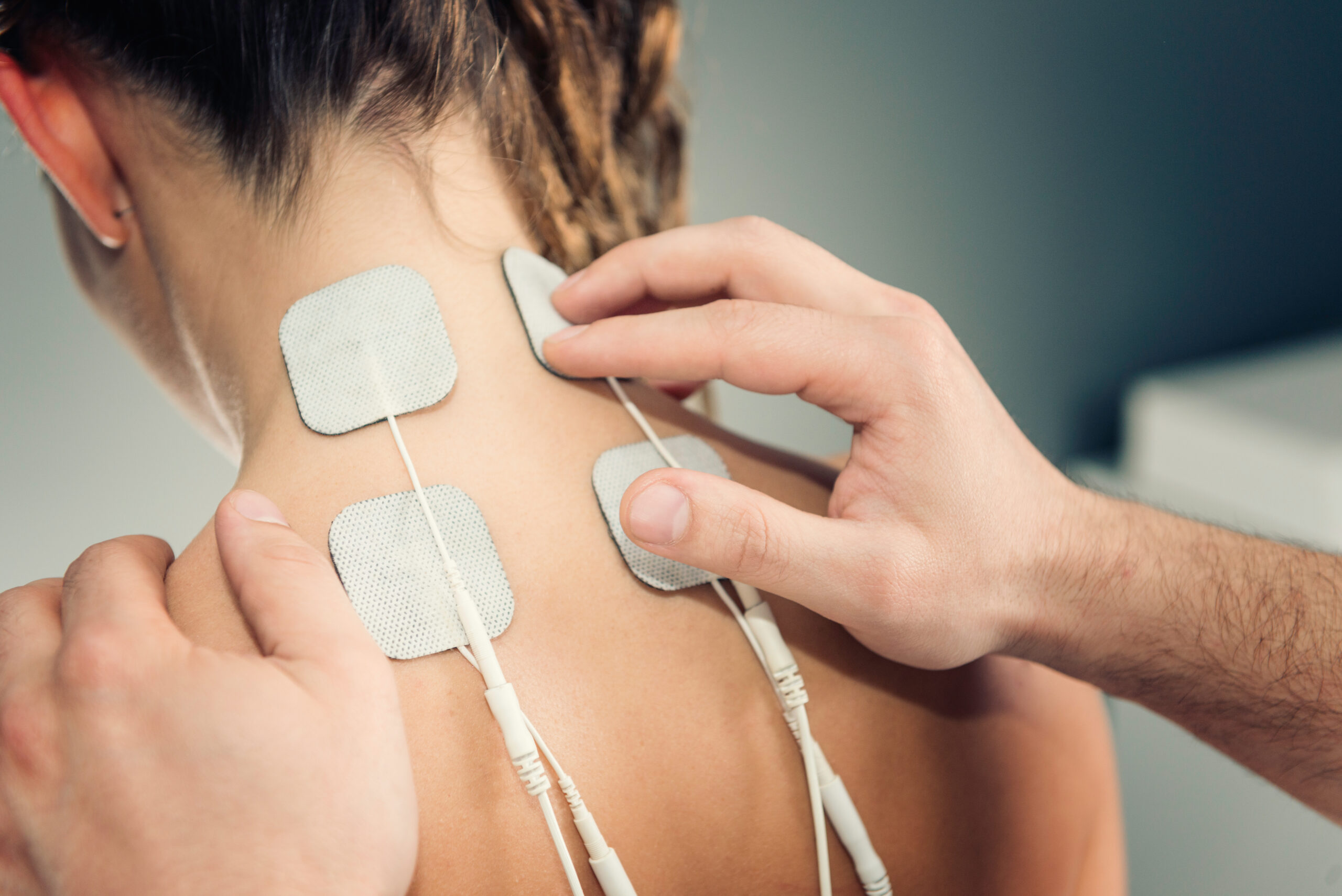
Electro,Stimulation,In,Physical,Therapy

Understanding different types of medical devices and the product make-up is crucial, because it ensures that the design, functionality, and safety of the device align with clinical needs and regulatory requirements. By comprehending the specific needs and constraints associated with various types of medical devices, such as diagnostic tools, therapeutic instruments, or monitoring systems, engineers and product developers can create cutting-edge solutions that can revolutionize the medical industry and effectively address real-world medical challenges.

This knowledge will enable product development by incorporating appropriate materials, integrating necessary technologies, and designing interfaces that meet user expectations while ensuring compatibility with existing medical systems and workflows.

So let’s get you in the know. Take a deep dive into the various aspects of medical devices.

What is a medical device?

A medical device is an instrument, apparatus, implement, machine, or software that is used for diagnosing, treating, monitoring, or preventing medical conditions. These devices range from simple items like thermometers and bandages to complex machinery such as MRI machines and robotic surgical systems. They are essential tools in healthcare, helping to enhance the quality of patient care by providing accurate diagnostics, effective treatments, and ongoing monitoring of various health conditions. Medical devices are designed to interact with the human body or its fluids to achieve specific health-related outcomes.

Medical devices are regulated by governmental agencies to ensure their safety and efficacy. In the United States, for instance, the Food and Drug Administration (FDA) oversees their approval and monitoring. Devices are classified into different categories based on their complexity and risk levels, with rigorous testing and validation required for each class. The development and use of medical devices involve a multidisciplinary approach, including engineering, clinical practice, and regulatory compliance, to ensure that they meet the necessary standards for patient safety and effectiveness.

Medical Device Types & Categories

Medical device types are categorized based on their intended use, complexity, and the level of risk they pose to patients. While classification systems can vary by country, the following categories are commonly used:

  • Diagnostic Devices: These are used to detect and diagnose medical conditions.
  • Therapeutic Devices: Designed to treat or manage medical conditions.
  • Monitoring Devices: Used to continuously or periodically monitor a patientโ€™s health status.
  • Assistive Devices: These aid individuals with disabilities or mobility issues.
  • Preventive Devices: Intended to prevent the onset of disease or injury. Examples include:
  • In vitro Diagnostic Devices (IVDs): Used outside the body to examine specimens like blood or urine. 

Each category encompasses a range of devices tailored to specific medical needs, helping to improve patient outcomes and facilitate effective healthcare delivery.

What are examples of medical devices?

Within each category, there are specific medical devices.

Examples of medical devices include:

  • Imaging Equipment: MRI machines, X-ray systems, ultrasound machines.
  • Diagnostic Tests: Blood glucose meters, home pregnancy tests, and various lab testing devices.
  • Surgical Instruments: Scalpels, forceps, and surgical lasers.
  • Implants: Pacemakers, artificial joints, and dental implants.
  • Medication Delivery Systems: Insulin pumps, nebulizers, and infusion pumps.
  • Vital Signs Monitors: Devices that track heart rate, blood pressure, and respiratory rate.
  • Wearable Monitors: Continuous glucose monitors (CGMs) and heart rate monitors.
  • Prosthetics: Artificial limbs and limbs.
  • Orthotics: Braces and supports for joints and muscles.
  • Hearing Aids: Devices that enhance hearing for individuals with hearing loss.
  • Contraceptive Devices: Intrauterine devices (IUDs) and contraceptive patches.
  • Protective Gear: Masks and gloves used in healthcare settings.
  • Lab Analyzers: Instruments for analyzing blood samples and other bodily fluids.
  • Home Testing Kits: For cholesterol, pregnancy, and other health indicators.

Each type of medical device serves a specific function and is subject to different regulatory standards to ensure safety and effectiveness.

How are medical devices classified?

Medical devices are classified based on their intended use, risk to patients, and complexity. This classification helps ensure that devices are subject to appropriate regulatory controls and safety standards. The classification systems may vary by country, but the general principles are similar. 

Hereโ€™s an overview of how medical devices are typically classified:

1. Risk-Based Classification

Class I (Low Risk): These devices are considered to have minimal risk to patients and typically require the least regulatory control. Examples include:

  • Bandages
  • Manual stethoscopes
  • Tongue depressors

Class II (Moderate Risk): These devices pose a moderate risk and often require additional controls to ensure safety and effectiveness. Examples include:

  • Infusion pumps
  • X-ray machines
  • Diagnostic tests for glucose levels

Class III (High Risk): These devices present a high risk to patients and generally require extensive regulatory scrutiny and clinical testing before approval. Examples include:

  • Pacemakers
  • Heart valves
  • Neurostimulators

2. Intended Use and Duration of Contact

Transient Use: Devices that contact the body for a short period (less than 24 hours). Examples include:

  • Disposable gloves
  • Catheters for short-term use

Short-Term Use: Devices that remain in contact with the body for a period of 24 hours to 30 days. Examples include:

Long-Term Use: Devices that are intended for contact with the body for more than 30 days. Examples include:

  • Implantable devices like orthopedic implants
  • Long-term intravenous catheters

3. Functional Classification

Diagnostic Devices: Designed to diagnose medical conditions, such as imaging systems and laboratory test kits.

Therapeutic Devices: Used for treatment or management of medical conditions, including surgical instruments, implants, and drug delivery systems.

Monitoring Devices: Continuously or periodically track a patientโ€™s health status, such as heart monitors and glucose sensors.

Assistive Devices: Aid individuals with disabilities or mobility issues, including prosthetics and hearing aids.

4. Regulatory Classification Systems

Different countries have their own regulatory classification systems. For example:

  • United States: The FDA classifies devices into Class I, II, and III based on risk.
  • European Union: Devices are classified into Class I, IIa, IIb, and III under the MDR (Medical Device Regulation), with the classification dependent on risk and complexity.

This classification system helps regulatory agencies determine the appropriate level of oversight needed for each device to ensure it is safe and effective for its intended use.

Medical Device Components

Medical devices are composed of various components that work together to perform their intended functions. The specific components can vary widely depending on the type and complexity of the device.  Medical devices typically consist of several key components that work together to perform various functions. 

  • At the core, the structural components provide the framework and protection for the device; this includes the housing or casing, often made from durable materials like plastic or metal, and support frames in devices such as prosthetics. 
  • The functional components are crucial, encompassing sensors that measure physiological parameters, actuators that perform mechanical actions, and electronics such as microcontrollers and circuit boards that manage device operations. 
  • For many medical devices, a power supply is essential, which can include batteries for portability or power adapters for devices requiring external power sources. 
  • The user interface components, including displays and controls, allow for interaction with the device, enabling users to operate or adjust settings. 
  • Data transmission and connectivity components, such as communication modules and data storage, facilitate the exchange of information and integration with other systems. 
  • Adhesives and fasteners are used to attach the medical device securely to the patient or to hold parts of the device together. 
  • Finally, software elements, including firmware and application software, are integral for controlling the device’s functions and providing user-facing features. 

Together, these components ensure that medical devices are effective, reliable, and safe for their intended medical applications.

Get a Custom Medical Device Adhesive Created for Your New Product 

At The Tape Lab, weโ€™re not just manufacturing adhesives and other flexible medical materials; weโ€™re crafting partnerships to bring your custom innovations to life. We design, manufacture, and transform adhesives for your personalized medical solution

Already have an idea of what you need? Request a quick quote

Want to pick the brain of an adhesive engineer to figure out how we can help?

Waterproof Adhesives for Medical Applications: A Comprehensive Guide

3m waterproof adhesives medical

In many applications across industries, from medical to automotive, and even in everyday household tasks, the ability to adhere materials reliably in wet or submerged conditions is crucial. Waterproof adhesives play a significant role in ensuring that bonds remain intact despite exposure to moisture, water, or other liquids.ย 

While waterproof adhesives are indispensable in various fields, their role in the medical industry is particularly critical due to the unique demands of medical applications. In a sector where hygiene, safety, and reliability are paramount, waterproof adhesives provide essential solutions for ensuring that medical devices and components perform optimally even in the presence of moisture or bodily fluids. The evolution of medical adhesives has also been marked by significant advancements in materials and technology, leading to increasingly sophisticated formulations that offer enhanced biocompatibility , durability, and resistance to bodily fluids, thereby improving the safety and effectiveness of medical devices and applications. This comprehensive guide delves into the types of waterproof adhesives used in medical applications, their benefits, and their diverse uses across the healthcare landscape.

Waterproof Adhesives in Medical Applications

Waterproof adhesives are specifically formulated to maintain their adhesive properties despite exposure to moisture. In medical settings, these adhesives are crucial for a variety of reasons. They ensure that medical devices and equipment remain securely attached and function effectively even when exposed to bodily fluids or cleaned with disinfectants. They are also essential in applications that require durability and reliability, such as wound care, device assembly, and surgical procedures.

The demand for waterproof adhesives in the medical field is driven by the need for products that can endure rigorous cleaning protocols, resist degradation from exposure to bodily fluids, and provide consistent performance under diverse conditions. Medical-grade waterproof adhesives must comply with stringent regulatory standards and undergo rigorous testing to ensure they are safe for use in healthcare environments.

Types of Waterproof Adhesives Used in Medical Applications

Various types of waterproof adhesives are employed in medical applications, each offering specific properties suited to different needs. Here are the main types:

1. Medical-Grade Waterproof Silicone Adhesives

Medical-grade silicone adhesives are widely used in medical applications due to their excellent flexibility, biocompatibility, and resistance to moisture and temperature extremes.

  • Characteristics: Silicone adhesives provide a strong, flexible bond that can accommodate the movement of tissues and materials. They are also resistant to water, UV light, and temperature fluctuations, making them suitable for long-term applications.
  • Applications: Commonly used for bonding medical devices, sealing wound dressings, and attaching electrodes in diagnostic and therapeutic devices. Their flexibility and water resistance make them ideal for applications that involve direct contact with the skin or bodily fluids.

2. Medical-Grade Waterproof Acrylic Adhesives

Medical-grade acrylic adhesives offer strong bonding capabilities and excellent resistance to water and various environmental conditions.

  • Characteristics: Acrylic adhesives are known for their high bond strength, clarity, and resistance to moisture and chemicals. They also cure quickly and provide a durable bond.
  • Applications: Often used in the assembly of medical devices, including packaging and labeling. They are also used for adhesive strips and wound closure products due to their strong adhesion and resistance to moisture.

3. Waterproof Epoxy Adhesives

Epoxy adhesives are used in medical applications for their high strength and durability.

  • Characteristics: Epoxy adhesives consist of a resin and a hardener that form a strong, rigid bond when cured. They offer excellent water resistance and can withstand exposure to various fluids and chemicals.
  • Applications: Used for bonding components of medical devices, such as prosthetics and surgical instruments. Epoxies are also used in manufacturing processes where a strong, permanent bond is required.

4. Waterproof Polyurethane Adhesives

Polyurethane adhesives are versatile and offer strong adhesion and flexibility.

  • Characteristics: Polyurethane adhesives provide a flexible, durable bond and are resistant to water, chemicals, and temperature changes. They are also known for their ability to bond to a wide range of materials.
  • Applications: Used in medical device assembly, including the bonding of components in durable medical equipment and orthopedic devices. Their flexibility and strength make them suitable for applications requiring resilience under stress.

Key Benefits of Medical Waterproof Adhesives

Waterproof adhesives offer several critical benefits in medical applications, ensuring that devices and products meet high standards of safety, performance, and reliability.

1. Enhanced Durability

Waterproof adhesives are designed to maintain their bonding strength even in challenging environments. This durability is essential in medical applications where devices and products are often exposed to bodily fluids, cleaning agents, and environmental factors that can affect adhesion.

2. Improved Safety

In medical settings, ensuring that adhesives do not cause adverse reactions is crucial. Waterproof adhesives used in medical applications are typically biocompatible and tested to ensure they do not cause irritation or other negative effects when in contact with skin or tissues. This enhances patient safety and ensures that devices function as intended.

3. Reliable Performance

Waterproof adhesives provide consistent performance in various conditions, including high humidity, exposure to fluids, and temperature fluctuations. This reliability is vital for medical devices that need to perform consistently over time and in different environments.

4. Ease of Use

Many waterproof adhesives are designed for ease of application, with features such as quick curing times and user-friendly formulations. This ease of use simplifies the manufacturing process and ensures that medical devices can be assembled efficiently without compromising quality.

Applications of Waterproof Adhesives in Medical Settings

Waterproof adhesives are used in a wide range of medical applications, each requiring specific properties to ensure optimal performance and safety. Here are some notable applications:

1. Wound Care and Dressings

Waterproof adhesives are essential in wound care products, such as waterproof adhesive bandages and dressings. These adhesives help secure the dressing in place while protecting the wound from moisture and contaminants. They also ensure that the dressing adheres to the skin without causing irritation or discomfort.

2. Medical Device Assembly

In the assembly of medical devices, waterproof adhesives are used to bond components securely. This includes devices such as insulin pumps, diagnostic equipment, and surgical instruments. The adhesive must provide a strong, durable bond while resisting exposure to fluids and cleaning agents.

Specifically, waterproof adhesives play a pivotal role in the effectiveness and comfort of wearable medical devices by ensuring they adhere securely to the skin despite exposure to moisture, sweat, and environmental conditions. These adhesives, such as medical-grade silicones and specialized acrylics, are formulated to provide a durable, flexible bond that conforms to the bodyโ€™s contours, allowing for uninterrupted wear and accurate performance of the device. By resisting degradation from bodily fluids and maintaining their adhesive properties under varying conditions, waterproof adhesives help ensure that devices like glucose monitors and heart rate sensors remain reliably attached, thus supporting continuous health monitoring and enhancing user experience. Their development is crucial for advancing wearable technology, contributing to both the longevity and efficacy of these vital health management tools.

3. Catheters and Tubing

Catheters and tubing used in medical procedures often require waterproof adhesives to ensure secure connections and prevent leaks. The adhesives used in these applications must be biocompatible and capable of withstanding exposure to bodily fluids.

4. Prosthetics and Orthotics

Prosthetic limbs and orthopedic devices rely on waterproof adhesives for bonding components and attaching cushioning materials. These adhesives must provide a strong bond while allowing for flexibility and comfort.

5. Electrodes and Sensors

Waterproof adhesives are used to attach electrodes and sensors to the skin or other surfaces in diagnostic and therapeutic devices. The adhesive must ensure a secure attachment while remaining effective in the presence of sweat and other bodily fluids.

6. Medical Packaging

In medical packaging, waterproof adhesives are used to seal packages and ensure they remain sterile. This includes packaging for sterile medical instruments, pharmaceuticals, and other healthcare products.

Regulatory Considerations for Medical-Grade Waterproof Adhesives

In the medical industry, waterproof adhesives must adhere to strict regulatory standards to ensure their safety and efficacy. Key regulatory considerations include:

1. Biocompatibility Testing

Waterproof adhesives used in medical applications must undergo rigorous biocompatibility testing to ensure they do not cause adverse reactions when in contact with tissues or bodily fluids. This testing typically includes evaluations for cytotoxicity, sensitization, and irritation.

2. Sterilization Compatibility

For adhesives used in the packaging of sterile medical products, they must be compatible with sterilization processes, such as autoclaving or radiation. The adhesive should not degrade or affect the sterility of the package.

3. Compliance with Standards

Medical-grade adhesives must comply with various international standards and regulations, such as ISO 10993 for biocompatibility and FDA regulations for medical devices. Compliance ensures that the adhesive meets quality and safety requirements.

Best Practices for Using Waterproof Adhesives

To achieve the best results with waterproof adhesives in medical applications, consider the following best practices:

1. Select the Right Adhesive

Choose an adhesive that meets the specific requirements of the application, including biocompatibility, water resistance, and flexibility. Consider factors such as the materials being bonded, environmental conditions, and regulatory requirements.

2. Ensure Proper Surface Preparation

Proper surface preparation is essential for achieving a strong bond. Ensure that surfaces are clean, dry, and free from contaminants before applying the adhesive. This helps ensure optimal adhesion and performance.

3. Follow Manufacturerโ€™s Instructions

Adhere to the manufacturerโ€™s guidelines for application, curing times, and storage conditions. Different adhesives have specific requirements that must be followed to achieve the best results.

4. Test Adhesive Performance

If possible, conduct performance testing to verify that the adhesive meets the required standards for the application. This helps ensure that the adhesive provides the desired bond strength and durability.

5. Monitor and Maintain Quality

Regularly monitor the performance of medical devices and products that use waterproof adhesives. Implement quality control measures to ensure that the adhesive maintains its effectiveness and does not degrade over time.

Get Custom Waterproof Adhesives Created for Your Medical Productย 

At The Tape Lab, weโ€™re not just manufacturing adhesives and other flexible medical materials; weโ€™re crafting partnerships to bring your custom innovations to life. We specialize in customizing, designing, and manufacturing innovative adhesive tape and flexible materials into engineered products that best meet your needs. Letโ€™s combine your vision with our knowledge and industry-leading capabilities to create a custom adhesive solution.


Already have an idea of what you need? Request a Quick Quote

Want to pick the brain of an expert? Contact The Tape Lab